Understanding Concrete Cleaning
Concrete is a durable material frequently used in residential and commercial settings; however, it can quickly accumulate dirt, grime, and stains over time. This buildup not only diminishes the aesthetic appeal of your property but can also lead to more severe issues such as structural damages. Effective concrete cleaning is essential for maintaining the integrity and appearance of concrete surfaces, ensuring they remain both functional and visually appealing. Whether you’re a homeowner looking to spruce up your driveway or a business owner seeking to enhance your storefront, understanding the nuances of concrete cleaning can significantly impact the longevity and value of your property.
What is Concrete Cleaning and Why is it Important?
Concrete cleaning refers to a series of processes aimed at removing dirt, stains, mold, mildew, and other contaminants from concrete surfaces. It plays a crucial role in maintaining not only the visual integrity of your surfaces but also their structural soundness. By regularly cleaning concrete, you prevent the long-term deterioration of the material caused by debris accumulation and environmental factors. Cleaning effectively contributes to:
- Enhanced Aesthetics: A clean concrete surface greatly improves your property’s curb appeal.
- Increased Lifespan: Regular cleaning helps prevent damage that can lead to expensive repairs or replacements.
- Safety: Removing slippery substances like oil or algae reduces the risk of slips and falls.
- Value Retention: Clean, well-maintained concrete can positively impact property values, making it an attractive feature for potential buyers or renters.
Common Techniques for Effective Concrete Cleaning
There are several methods to clean concrete, each suited for different types of stains and levels of grime. Some of the most common techniques include:
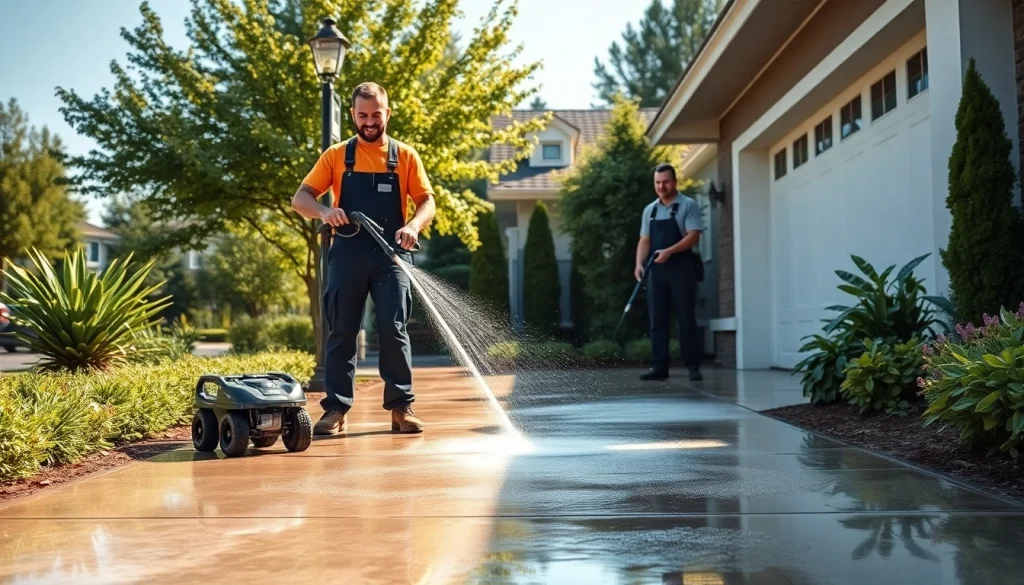
- Pressure Washing: Utilizing high-pressure water jets to remove dirt, grime, and stains. This method is effective for large areas and stubborn stains.
- Chemical Cleaning: Involves using specific cleaning agents to break down stains. This is particularly useful for tough stains like oil or rust.
- Steam Cleaning: Hot steam is applied to concrete surfaces to lift dirt and kill bacteria, offering a deep clean without harsh chemicals.
- Scrubbing: Using brushes or pads for manual cleaning, often as a pre-treatment for pressure washing or chemical cleaning.
Safety Considerations When Cleaning Concrete
While concrete cleaning is beneficial, it is crucial to take safety precautions to protect yourself and your property. Here are some considerations:
- Proper Gear: Wear protective eyewear and gloves to safeguard against chemical splashes or debris from pressure washing.
- Surface Assessment: Inspect the concrete for cracks or damage before cleaning, as pressure washing can exacerbate existing issues.
- Environmental Concerns: Ensure that any chemicals used are environmentally friendly and comply with local regulations.
- Equipment Safety: If using pressure washers, follow the manufacturer’s instructions to avoid injury or damage.
Pressure Washing vs. Alternative Methods
When it comes to concrete cleaning, pressure washing is often the preferred method, but it’s essential to understand how it stacks up against alternative techniques.
Benefits of Using Pressure Washing for Concrete Cleaning
Pressure washing offers several advantages, making it a popular choice for many property owners:
- Efficiency: It can clean large areas much faster than manual scrubbing.
- Deep Cleaning: High-pressure water can remove embedded dirt and stains that other methods might not tackle.
- Versatility: Effective on various surfaces, including driveways, patios, sidewalks, and more.
Comparing Pressure Washing and Chemical Cleaning
Each method has its place depending on the specific circumstances:
- Pressure Washing: Best for routine maintenance and general cleaning.
- Chemical Cleaning: Ideal for treating specific stains; however, it may require more time and can involve hazardous materials.
Pros and Cons of DIY Concrete Cleaning
Many homeowners consider DIY concrete cleaning to save costs, but it’s important to weigh the advantages and disadvantages:
- Pros:
- Cost-effective compared to hiring professionals.
- Gives you control over the cleaning process.
- Immediate satisfaction upon completing the task.
- Cons:
- Potential for mistakes that can damage the concrete.
- Time-consuming, especially for larger areas.
- Requires knowledge of proper techniques and safety measures.
Choosing the Right Equipment for Concrete Cleaning
When tackling concrete cleaning, selecting the appropriate equipment is paramount to achieve optimal results.
Essential Tools and Equipment for Professional Results
For a successful concrete cleaning job, consider the following tools:
- Pressure Washer: Choose a model with adequate pressure (at least 3000 PSI) and flow rate (around 4 GPM) for effective cleaning.
- Cleansers and Detergents: Select eco-friendly cleaning solutions tailored to specific stains.
- Surface Cleaner Attachment: This can enhance the efficiency of pressure washing by covering larger areas without overlap marks.
- Protective Gear: Essential for safety, including gloves, goggles, and knee pads for prolonged kneeling.
How to Select the Best Pressure Washer for Your Needs
Choosing the right pressure washer involves considering:
- Pressure and Flow Rate: Higher pressure is necessary for tougher stains; flow rate affects cleaning efficiency.
- Electric vs. Gas: Electric models are quieter and ideal for light cleaning, while gas pressure washers are powerful for heavy-duty jobs.
- Portability: Ensure the model suits your storage capabilities and cleaning areas’ accessibility.
Maintenance Tips for Your Cleaning Equipment
To extend the life of your cleaning equipment:
- Regularly check and clean filters.
- Keeps hoses free from kinks or obstructions.
- Store equipment in a dry place to prevent rust and damage.
Real-World Applications of Concrete Cleaning
The application of concrete cleaning extends beyond aesthetics; it impacts safety and property value as well.
Case Studies: Successful Concrete Cleaning Projects
Several real-world scenarios demonstrate the effectiveness of concrete cleaning:
- Commercial Parking Lots: A local shopping center improved customer feedback and foot traffic after a comprehensive cleaning of the parking lot, which removed years of grime and oil stains.
- Residential Driveways: Homeowners saw a boost in overall home appearance when they had their driveways cleaned, enhancing curb appeal and marketability when selling their homes.
- Public Walkways: Municipalities have reported increased community satisfaction and reduced accidents by maintaining clean public walkways, highlighting the importance of cleanliness in urban planning.
How Concrete Cleaning Improves Curb Appeal
First impressions matter. Clean concrete surfaces can elevate the appearance of your property, making it more inviting for visitors and potential buyers. A well-maintained exterior signals care and attention to detail, which can play a significant role in the overall assessment of the property.
Impact of Clean Concrete on Property Value
Studies have shown that properties with well-maintained exteriors, including clean concrete surfaces, tend to have higher appraised values. A clean, inviting look can significantly influence buyer perception, making it an essential investment for property owners.
Future Trends in Concrete Cleaning
As technology advances, the landscape of concrete cleaning is evolving. Keeping an eye on future trends can help property owners stay ahead of the curve.
Innovations in Cleaning Technology for 2025
Emerging technologies in concrete cleaning include:
- Automated Cleaning Robots: Devices capable of cleaning large areas more efficiently and consistently.
- Advanced Eco-Friendly Chemicals: Formulations that enhance cleaning performance while minimizing environmental impact.
- Smart Equipment: IoT-enabled pressure washers that provide real-time data on usage and maintenance needs.
Eco-Friendly Practices in Concrete Cleaning
More consumers are prioritizing eco-friendly options. As a result, the industry is shifting towards biodegradable detergents and water reclamation systems to minimize the environmental footprint of cleaning services.
Preparing for Changes in Industry Standards
As the cleaning industry adapts to new regulations and standards, staying informed is essential for compliance and efficiency. Regular training and updates on best practices ensure that both contractors and DIY enthusiasts are equipped to manage evolving landscape of concrete cleaning.