Understanding Marginal Pond Plants
Marginal pond plants are essential components of healthy aquatic ecosystems, growing in the shallow waters around the edges of ponds and wetlands. These plants typically have their roots submerged while their leaves blossom above the water's surface, creating a lush, vibrant environment where wildlife can thrive. Enhancing the natural beauty of your pond, these plants not only add aesthetic value but also play critical roles in maintaining water quality and providing habitats for various aquatic organisms.
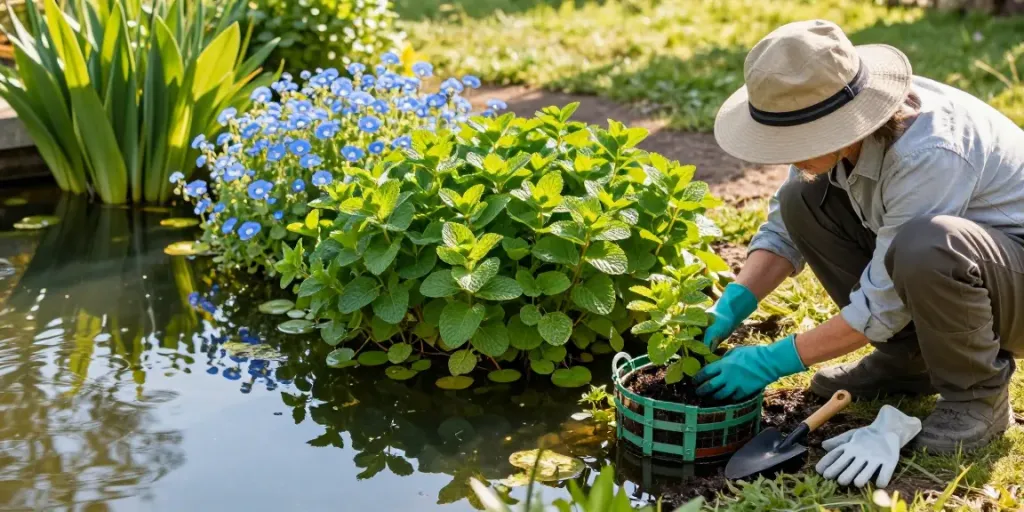
When exploring options, Buy Marginal Pond Plants from trusted suppliers to create a vibrant and ecologically balanced pond ecosystem. From the decorative Water Forget-me-not to the towering Common Bulrush, there's a diverse range of choices available to suit any pond's needs.
What Are Marginal Pond Plants?
Marginal pond plants are a specific category of aquatic plants that thrive in the shallow waters along the edges of ponds and lakes. Their specialized adaptations allow them to survive in wet soil conditions while providing crucial interactions with both the water environment and terrestrial ecosystems. Some common examples include Water Mint (Mentha aquatica), Flowering Rush (Butomus umbellatus), and Purple Loosestrife (Lythrum salicaria).
Importance of Marginal Plants in Ecosystems
These plants serve multiple purposes within an aquatic ecosystem. They help to stabilize soil, preventing erosion and maintaining the integrity of pond banks. Their roots absorb excess nutrients, which minimizes algae growth and maintains water clarity. Additionally, marginal pond plants provide essential cover for amphibians and invertebrates, creating a biodiverse habitat that supports various forms of life.
Differences Between Marginal and Other Aquatic Plants
While marginal plants grow in shallow waters, other types of aquatic plants include submerged plants that thrive completely underwater and floating plants that rest on the surface. Marginal plants typically have features that allow them to manage the transition between these two environments, showcasing a unique relationship with both aquatic and terrestrial ecosystems. Understanding these differences is key to selecting the right plants for your water garden.
Choosing the Right Marginal Pond Plants
When planning your pond garden, selecting the right marginal plants can significantly influence its overall health and aesthetic appeal. Here are a few critical factors to consider when choosing the perfect plants for your pond.
Factors to Consider When Selecting Plants
- Water Depth: Different marginal plants have varying requirements for water depth. Some may thrive in just a few centimeters of water, while others prefer deeper conditions.
- Sunlight Requirements: Assess the amount of sunlight your pond receives throughout the day. Some marginal plants flourish in full sun, while others are better suited for partial shade.
- Native vs. Non-Native: Opting for native species can benefit local wildlife and create a more harmonious ecosystem. However, non-native species may offer unique colors and blooms.