Understanding Commercial Roofing Services
When it comes to protecting business assets, the roof plays a pivotal role. It not only provides shelter but also affects operational efficiency, energy consumption, and aesthetics. Investing in commercial roofing services is crucial for maintaining the integrity and longevity of your property. This comprehensive guide aims to cover various aspects of commercial roofing, from types of systems to maintenance, ensuring you make informed decisions for your business.
Types of Commercial Roofing Systems
The market offers a variety of roofing systems catered to different business needs. Some of the most common types include:
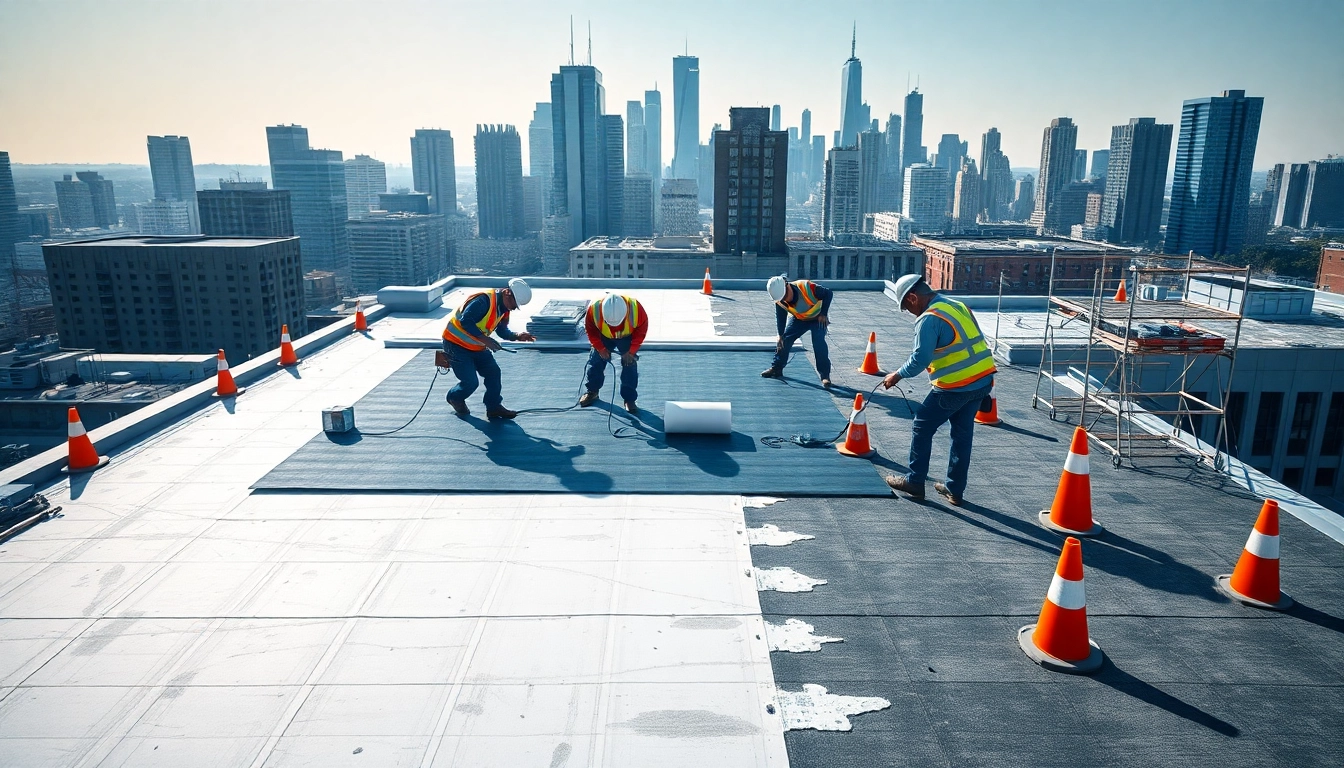
- Flat Roofing: Ideal for low-slope and non-sloping rooftops, flat roofs are economical and can be made from materials such as TPO (Thermoplastic Polyolefin), EPDM (Ethylene Propylene Diene Monomer), and PVC (Polyvinyl Chloride). These materials are often chosen for their durability and reflective qualities that aid in energy efficiency.
- Pitched Roofing: A pitched roof, typically seen on traditional buildings, has a steep slope and can be made from materials such as metal, shingle, or tile. This style allows for greater water drainage and is often favored in regions with heavy rainfall.
- Green Roofing: An increasingly popular option due to its eco-friendliness, green roofs consist of a layered system where vegetation is planted on a waterproofing membrane. They offer improved insulation and stormwater management, while also contributing to urban biodiversity.
- Metal Roofing: Known for its durability and longevity, metal roofing can withstand harsh weather conditions. Available in various styles and colors, it is an attractive option that offers excellent protection against water and fire.
- Built-Up Roofing (BUR): A traditional commercial roofing option, BUR consists of multiple layers of bitumen and fabric, forming a strong, waterproof system. It is well-suited for flat roofs and is often chosen for its extensive life expectancy.
Key Benefits of Quality Roofing
Quality roofing brings numerous advantages to commercial properties:
- Enhanced Durability: A high-quality roof will resist leaks, cracks, and damage from harsh weather, ultimately providing better protection for the building.
- Improved Energy Efficiency: Modern roofing materials can enhance insulation, helping businesses save on heating and cooling costs while reducing their carbon footprint.
- Increased Property Value: A well-maintained roof contributes to the overall appeal of a building, making it more attractive to potential buyers or tenants.
- Compliance with Regulations: Quality roofing ensures that a business adheres to local building codes and regulations, avoiding sanctions and possible fines.
- Reduced Maintenance Costs: A quality roof requires less frequent repairs, saving businesses money over time.
Differences Between Residential and Commercial Roofing
While both residential and commercial roofs serve the same primary function of protection, they differ significantly in design, materials, and installation:
- Size and Scale: Commercial roofs are generally much larger than residential roofs, making their installation and maintenance more complex.
- Materials: Commercial roofs often utilize materials that are engineered for durability and efficiency, while residential roofs prioritize aesthetics.
- Installation Techniques: The installation process for commercial roofs is usually more intricate, often requiring specialized crews and equipment.
- Building Codes: Commercial properties must comply with stricter building codes and regulations than residential properties, which affects the materials and methods used during installation.
Choosing the Right Commercial Roofing Services
Selecting the right roofing service provider can be a daunting task. Here are some essential factors to consider:
Factors to Consider When Hiring
When choosing a commercial roofing contractor, businesses should evaluate their options on several fronts:
- Experience: Look for a contractor with a proven track record and substantial experience in commercial roofing.
- Reputation: Research client testimonials and industry reviews to gauge the contractor’s reputation and reliability.
- Quality of Materials: Ensure the contractor uses high-quality materials from reputable manufacturers, as this significantly affects the roof's performance.
- Price: While cost should not be the only factor, it is essential to obtain detailed quotes and compare them against the services offered.
- Environmental Considerations: If sustainability is a priority for your business, inquire about eco-friendly materials and practices.
Importance of Licenses and Insurance
Never consider a roofing contractor without verifying that they hold the proper licenses and insurance:
- Licenses: A licensed contractor demonstrates compliance with local laws and regulations, providing assurance of their expertise.
- Insurance: Insurance protects both the contractor and the property owner in case of accidents or damages occurring during the project. Always confirm that the contractor carries liability insurance and worker's compensation coverage.
Evaluating Service Portfolios and Samples
A contractor's portfolio can provide insight into their capabilities:
- Case Studies: Request examples of past projects that are similar to your needs to assess the contractor’s experience and quality of work.
- Material Samples: Ask for samples of materials they plan to use, ensuring they meet your requirements for durability and aesthetic appeal.
- Site Visits: If possible, visit job sites of ongoing or completed projects to see the quality of workmanship firsthand.
Common Challenges in Commercial Roofing Services
Despite the benefits, various challenges can arise in commercial roofing services:
Weather Impact on Roofing Lifespan
The lifespan of a commercial roof is frequently influenced by environmental factors:
- UV Rays: Exposure to sunlight can degrade roofing materials, reducing their lifespan over time. Consider using UV-resistant materials to combat this effect.
- Temperature Fluctuations: Changes in temperature can cause thermal expansion and contraction, leading to cracks and leaks.
- Precipitation: Rain, snow, and hail can damage roofing if adequate drainage systems are not in place. Installing effective drainage solutions and conducting regular inspections can mitigate these risks.
Identifying and Repairing Leaks
Leaks can quickly escalate into significant problems if not addressed promptly. Keep these points in mind:
- Regular Inspections: Conduct routine inspections of the roof, especially after significant weather events, to identify potential leaks before they become severe.
- Prompt Repairs: Engage professional services as soon as a leak is identified, as delays can lead to extensive damage, increased repair costs, and potential business disruption.
- Moisture Detection Technology: Consider utilizing advanced technologies for leak detection, which can pinpoint issues without extensive inspections.
Understanding Warranty and Coverage Issues
Purchasing a new roof often includes warranties, but understanding their terms is critical:
- Material Warranty: This guarantees the material’s performance for a specific timeframe. Understand what it covers, as some warranties may require regular maintenance to remain valid.
- Installation Warranty: This covers the workmanship of the installation; make sure it aligns with your needs and expectations.
- Exclusions: Be aware of any exclusions in warranty documents that could affect coverage, such as issues arising from neglect or environmental damage.
Maintaining Your Commercial Roof
A proactive maintenance plan is essential for prolonging the lifespan of your commercial roof:
Routine Inspections and Their Importance
Regular roof inspections can uncover problems early, helping to maintain the roof in optimal condition:
- Frequency: Schedule inspections twice per year—preferably in spring and fall—and after severe weather events to catch potential issues early.
- Professional vs. DIY: Hiring roofing professionals for inspections ensures that all potential problems are accurately identified and documented.
- Inspection Checklist: Develop a thorough checklist that covers all roof components, including flashings, drainage systems, and any penetrations.
How to Handle Emergency Repairs
In case of unexpected roof damage, having a plan in place can minimize disruption:
- Emergency Response Team: Identify a trusted roofing contractor who can respond quickly to emergency situations.
- Temporary Solutions: Implement temporary covering solutions like tarps or sealants until a professional can address the issue properly.
- Document the Damage: Take pictures and notes of the damage for insurance claims and future reference.
Record Keeping for Service History
Maintaining detailed records of all roofing work is essential for future maintenance and warranty claims:
- Maintenance Logs: Keep logs of all inspections, maintenance, and repairs, including dates and descriptions of work done.
- Financial Records: Document all expenses related to roofing work, which can assist in budgeting and financial planning for future repairs or replacements.
- Warranties and Contracts: Safeguard warranty documents and contracts in one location for easy access when needed.
Future Trends in Commercial Roofing Services
The commercial roofing industry continues to evolve with emerging trends in design and technology:
Eco-friendly Roofing Solutions
As sustainability becomes a priority for many businesses, the demand for eco-friendly roofing options rises:
- Green Roofs: These roofs provide insulation, manage stormwater, and create urban greenery, contributing positively to the environment.
- Reflective Surfaces: Cool roofing materials that reflect sunlight can help lower cooling costs while contributing to a reduction in urban heat islands.
- Recyclable Materials: More roofing products are being manufactured from recycled materials, further promoting sustainability within the industry.
Technological Advancements in Roofing
Incorporating technology into roofing practices enhances efficiency and effectiveness:
- Drone Inspections: Drones make roof inspections quicker and safer, allowing for a thorough assessment without the need for scaffolding or ladders.
- 3D Modeling: Advanced modeling software can assist in planning and executing roofing projects more accurately, reducing waste and ensuring effective use of materials.
- Smart Roofs: The future may see roofs equipped with sensors that monitor performance metrics, like temperature and humidity, sending alerts for maintenance needs.
The Role of Commercial Roofing in Sustainability
Commercial roofing systems are key players in sustainability initiatives:
- Energy Generation: Solar panels integrated into roofing systems can provide renewable energy, contributing to the overall energy needs of commercial properties.
- Water Management: Advanced roofing solutions can help manage stormwater effectively, promoting natural water cycles and reducing runoff.
- Enhanced Building Performance: Properly designed and maintained roofs improve the overall energy efficiency and environmental footprint of commercial buildings.