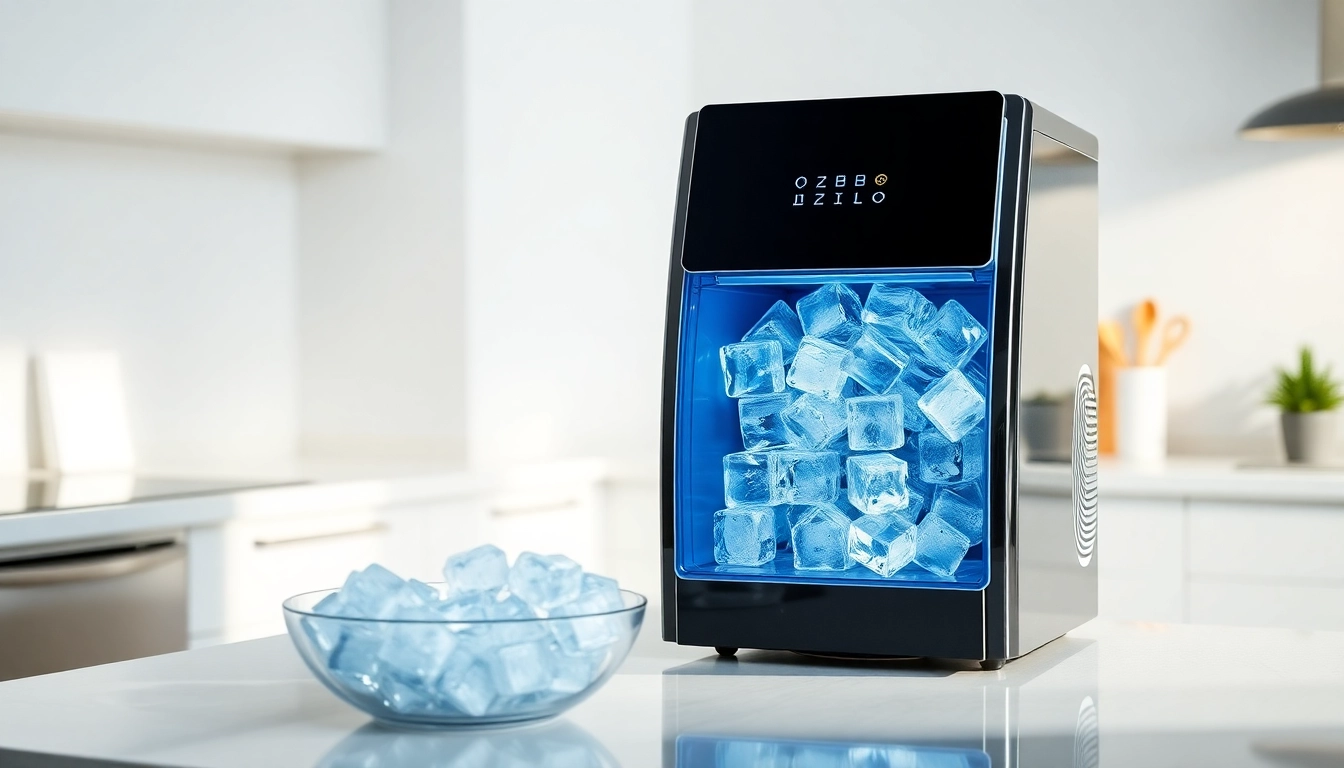
Understanding the Basics of Ice Maker
What is an Ice Maker?
An ice maker is a device specifically designed to produce ice. These appliances can vary widely in size, capacity, and type, enabling users to create ice for various needs, from everyday consumption to catering large events. Ice makers can be standalone units or built into refrigerators, featuring mechanisms to freeze water and dispense it in different forms, such as cubes or crushed ice. For convenience and efficiency, many households opt for an ice maker, streamlining their ice production capabilities without having to deal with traditional ice trays.
Types of Ice Maker: Which is Right for You?
There are primarily two major types of ice makers: portable and built-in. Portable ice makers are compact, making them suitable for mobile or space-constrained situations; they're ideal for home use during parties or picnics. Built-in ice makers, on the other hand, usually reside within refrigerators or kitchen cabinetry and are designed for continuous use, producing a larger volume of ice. Other variations include under-counter models tailored for kitchens and commercial units that handle heavy-duty ice production needs. Choosing the right type involves evaluating your ice usage patterns and space constraints.
Benefits of Using an Ice Maker at Home
Utilizing an ice maker at home comes with numerous advantages. First and foremost is the convenience of having immediate access to ice at any time, perfect for hydration needs, entertaining guests, or enhancing food presentations. Furthermore, ice makers save considerable time and effort compared to traditional methods, meaning less hassle in making regular trips to purchase bagged ice. Additionally, many modern ice makers come equipped with advanced features such as self-cleaning capabilities, energy-efficient operations, and various ice shapes, providing customization to suit individual preferences.
Choosing the Perfect Ice Maker
Factors to Consider When Selecting Your Ice Maker
When selecting an ice maker, several crucial factors warrant consideration. The first is capacity; understanding how much ice your household typically consumes can guide your choice, as units vary significantly in production rates from as low as 20 pounds to over 100 pounds per day. Next, assess the source of water; most ice makers require a direct water line for continuous operation, while portable models can work with fillable water reservoirs. Finally, don’t forget about the energy efficiency rating; many modern ice makers boast lower energy consumption, which can lead to savings on electricity costs.
Analyzing Ice Production Capacity: What You Need
The ice production capacity of an ice maker defines how much ice it can produce in a given timeframe, often quoted in pounds per day (lbs/day). For small families or occasional users, units capable of delivering 20-30 lbs/day should suffice. However, larger households or those fond of entertaining may need models capable of producing upwards of 50 lbs/day, possibly necessitating a commercial unit if usage is more extensive. It’s important to align your choice with usage patterns to ensure you never run short during peak times.
Energy Efficiency in Ice Maker: Importance and Savings
Energy efficiency is vital when choosing an ice maker, especially given the frequency of use. Many modern models are engineered to consume less energy compared to older versions, featuring smart technologies that optimize performance without sacrificing ice output. By selecting an energy-efficient model, users not only lower their environmental footprint but also can realize substantial cost savings over time on utility bills. Always check for energy ratings before purchasing to ensure you’re making a smart investment.
Using Your Ice Maker Effectively
Step-by-Step Guide to Setting Up Your Ice Maker
Setting up your ice maker typically involves a few straightforward steps. First, select a suitable location providing adequate ventilation and easy access to a power outlet. Connect the water supply line if applicable or fill the reservoir with water for portable models. Once connected, plug in the machine and power it on, allowing it to go through the initial ice production cycle, which usually takes about 30 minutes to an hour. Finally, monitor the first batch to ensure proper functioning and adjust settings as necessary.
Regular Maintenance Tips for Longevity
To extend the lifespan of your ice maker, routine maintenance is essential. Regularly check and clean filters to prevent ice from tasting or smelling unpleasant. It's also advisable to inspect water lines for any leaks and perform periodic checks on the production process to ensure no ice buildup occurs that could hinder functionality. Most manufacturers recommend a thorough cleaning every six months to remove mineral deposits and bacteria buildup.
How to Clean Your Ice Maker Properly
Cleaning your ice maker is crucial for maintaining ice quality and machine longevity. Start by unplugging the device and emptying any remaining ice. Using a mild soap solution or a specialized ice maker cleaner and a soft cloth, wipe down the interior and exterior, avoiding harsh chemicals that could damage components. Make sure to clean the water reservoir and any accessible filters. After thorough rinsing, allow the components to dry before plugging in the machine and restarting the production cycle.
Common Issues with Ice Maker
Identifying and Fixing Common Ice Maker Problems
Common problems with ice makers may include insufficient ice production, ice being too cloudy, or unusual sounds during operation. Insufficient ice may indicate low water supply, while cloudy ice often results from impurities in the water. Implementing regular cleaning and maintenance can mitigate these issues. For unusual noises, checking for loose components or ice buildup could help diagnose potential concerns. Always consult the user manual for specific troubleshooting steps tailored to your model.
When to Seek Professional Help for Your Ice Maker
If you cannot resolve issues after following the troubleshooting guidelines or if the unit continues to malfunction, it may be time to seek professional assistance. Signs that professional help is needed include persistent leaks, error codes displayed on digital units, or failure to produce ice after extensive troubleshooting. Engaging with a qualified technician ensures that repairs are done correctly without risking further damage to the appliance.
Understanding Warranty and Service Plans
When purchasing an ice maker, familiarize yourself with the warranty terms and available service plans. Most ice makers come with a one- to two-year warranty covering parts and labor for manufacturing defects. Extended service plans may be available for an added fee, providing peace of mind for ongoing support. Always review warranty guidelines to understand coverage and products that may not be included, ensuring you’re informed regarding potential repair costs.
The Future of Home Ice Making Technology
Innovations in Ice Maker Design and Features
Innovations in ice maker design are continually evolving, with modern units boasting improved aesthetics, compact designs, and more intuitive interfaces. Features such as self-cleaning, adjustable ice sizes, and smart connectivity enhance user experience, allowing for easier control through mobile applications. These advancements cater to a tech-savvy audience eager for integrated solutions that blend seamlessly with smart home technologies.
Smart Technology in Modern Ice Makers
Many new ice makers incorporate smart technology, enabling users to monitor production status remotely, receive alerts, and adjust settings via smartphone applications. These advancements allow for improved personalization as users can select ice types or production times that align with their schedules. Smart ice makers not only add convenience but also contribute to energy savings through optimized performance.
Predictions for the Future of Ice Maker Use
As technology continues to advance, the future of ice makers looks promising with increased focus on sustainability and innovative features. Anticipated trends include greater energy efficiency, integration with smart home ecosystems, and even multi-functional devices that not only produce ice but also offer additional cooling solutions or water filtration. With evolving consumer demands, manufacturers are poised to cater to a growing appetite for convenience while emphasizing quality and performance.
Frequently Asked Questions
What is the average lifespan of an ice maker?
Most ice makers last between 5 to 10 years with proper maintenance.
Can I put an ice maker in my RV?
Yes, compact ice makers are ideal for RVs due to their portability and efficiency in smaller spaces.
How often should I clean my ice maker?
It's advisable to clean your ice maker every 3 to 6 months to maintain optimal performance and ice quality.
Are ice makers noisy?
Modern ice makers are designed to operate quietly, making them suitable for home environments without disruptive noise levels.
What type of ice do home ice makers produce?
Home ice makers generally produce either clear or cloudy ice cubes, depending on the specific model and water quality.