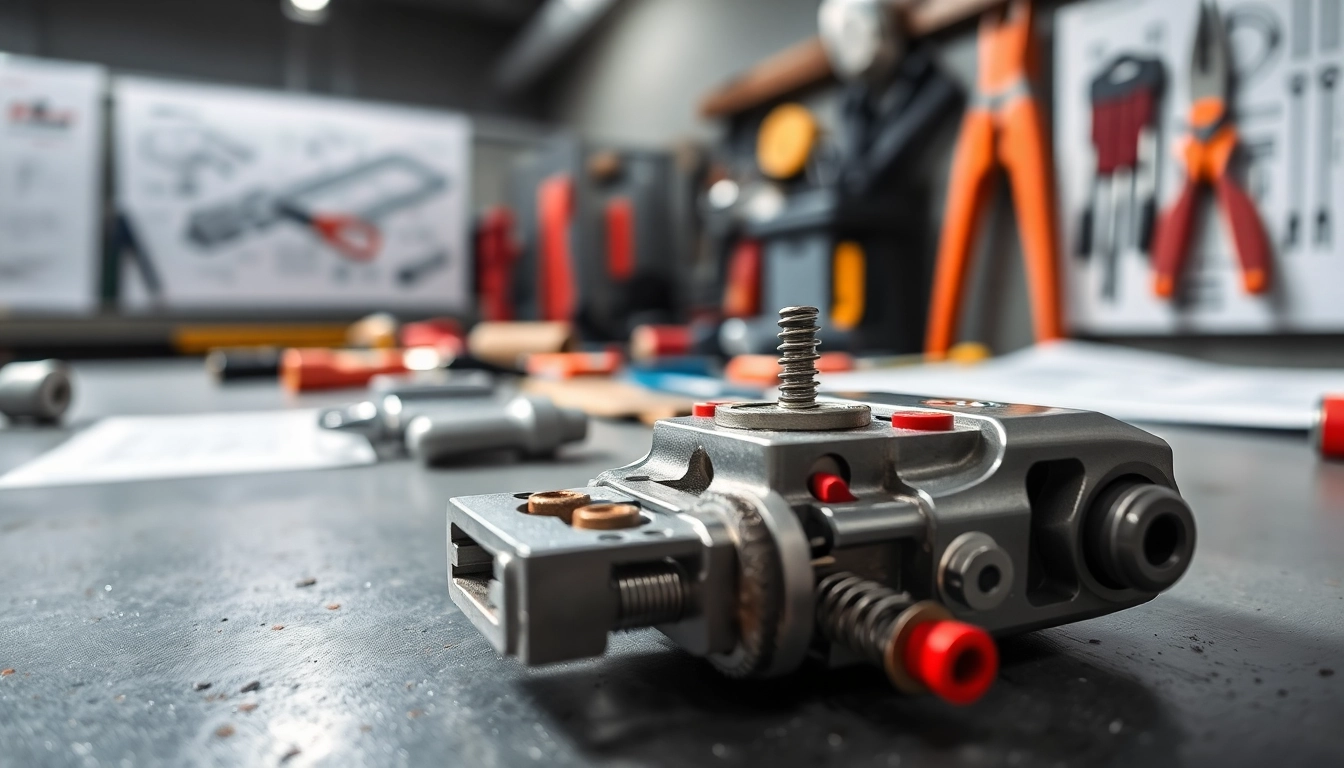
Introduction to Forced Reset Trigger
In the world of firearms customization, the Forced reset trigger is garnering attention for its innovative approach to enhancing shooting efficiency. Whether you're a casual enthusiast or a serious competitor, understanding this technology can significantly influence your shooting performance. This article explores the functionality, advantages, installation process, maintenance, and frequently asked questions regarding forced reset triggers, empowering you to make informed decisions in your firearms journey.
What is Forced Reset Trigger?
A forced reset trigger is a specialized type of trigger mechanism designed to automatically reset itself after each shot is fired. Unlike traditional triggers that require manual release and resetting, forced reset triggers engage the firing mechanism in a manner allowing rapid subsequent shots without additional trigger manipulation. This system is particularly advantageous in competitive shooting scenarios where speed and precision are paramount.
How Forced Reset Trigger Works
The operational mechanism of a forced reset trigger is engineered to optimize firing speed and control. When the trigger is pulled, the mechanism activates the firing pin. Upon the round firing, the built-in mechanism effortlessly resets the trigger in a swift motion, readying it for the next shot almost instantly. The design minimizes the time between shots, enhancing the overall shooting rate significantly while allowing the shooter to maintain better control and accuracy.
Applications of Forced Reset Trigger
Forced reset triggers find applications primarily among competitive shooters, tactical operators, and enthusiasts who value high rates of fire and precision. In competitive settings like three-gun competitions, where speed and efficiency can determine success, these triggers provide a distinct advantage. Additionally, they can be utilized in various shooting sports, including IPSC and IDPA, where rapid successions of fire are critical. Firearms with forced reset triggers also see use in certain tactical military operations, providing teams with increased fire rate capability without sacrificing control.
Advantages of Using Forced Reset Trigger
Enhanced Performance
One of the most immediate benefits of employing a forced reset trigger is the enhanced performance associated with its use. The rapid firing capability allows shooters to engage targets faster than with standard triggers. This performance boost is particularly crucial in competitive environments where fractions of a second can make a difference. Shooters employing this kind of trigger often report improved scores and a more exhilarating shooting experience.
Increased Reliability
Reliability is a cornerstone attribute desired by any firearm enthusiast. Forced reset triggers are designed with durability and consistency in mind, ensuring each shot activation remains consistent over time. The simple yet effective mechanics reduce the chances of malfunction that often accompany more complex trigger systems. This reliability translates into confidence for the shooter, knowing their trigger will perform as expected during critical moments.
Safety Features of Forced Reset Trigger
Safety is a paramount concern in firearms design and operation. The forced reset trigger systems often come equipped with multiple safety features designed to prevent accidental discharges. Many designs incorporate mechanisms that ensure the trigger cannot engage unless the shooter intentionally pulls it, combining rapid firing capability with essential safety measures. Enhanced safety protocols lead to greater peace of mind, especially in high-stakes environments.
How to Install a Forced Reset Trigger
Necessary Tools and Equipment
Installing a forced reset trigger requires specific tools to ensure a secure and successful installation. Key items include:
- Screwdrivers (flat and Phillips)
- Torque wrench
- Pliers
- Gun cleaning supplies
- Lubricant
Having these tools at your disposal will help streamline the installation process and ensure that the trigger is set up correctly.
Step-by-Step Installation Guide
Follow these steps carefully to install your forced reset trigger:
- Ensure Safety: Unload your firearm and visually inspect the chamber.
- Disassemble the Firearm: Refer to your firearm's manual to correctly disassemble the receiver or grip, removing the original trigger.
- Install the Forced Reset Trigger: Place the new trigger assembly in its designated area, ensuring a snug fit.
- Secure with Screws: Use the provided screws to secure the trigger, ensuring they are tightened to the manufacturer's specifications using a torque wrench.
- Reassemble the Firearm: Put the firearm back together and inspect for any misalignments.
- Test Functionality: Conduct a function check to ensure the trigger operates smoothly before live firing.
Each firearm model can have specific installation nuances, so always refer to the manufacturer guidelines for optimal results.
Common Installation Mistakes
While installing a forced reset trigger may seem straightforward, there are several pitfalls one should be aware of:
- Inadequate Tightening: Not securing screws properly can lead to malfunction or trigger failure.
- Ignoring Safety Protocols: Always prioritize safety by double-checking the firearm is unloaded before beginning any work.
- Neglecting Function Checks: Overlooking the functionality test can lead to dangerous situations during use.
By avoiding these common mistakes, you can ensure a successful installation and maximize performance.
Maintaining Your Forced Reset Trigger
Regular Maintenance Routines
Regular maintenance is essential to ensure the longevity and performance of your forced reset trigger. Consider these practices:
- Routine Cleaning: Clear out dirt and debris after every few uses depending on shooting conditions.
- Lubrication: Apply appropriate gun lubricant to moving components to reduce friction and wear.
- Function Tests: Periodically check the functionality of the trigger to identify any potential issues early.
Troubleshooting Common Issues
Common problems that may arise with forced reset triggers include:
- Sticking Trigger: This can often be remedied by cleaning and re-lubricating the trigger.
- Failure to Reset: Examine if any debris is obstructing the mechanism or if the trigger assembly was incorrectly installed.
- Inconsistent Firing: This could indicate that the sear surfaces are not making proper contact; further inspection and adjustment may be necessary.
Upgrading Components for Performance
To further improve the efficiency of your forced reset trigger, consider upgrading components such as:
- Springs: Install higher quality or lighter springs to help with trigger responsiveness.
- Trigger Shoe: Opt for an ergonomic trigger shoe that enhances comfort and control.
- Custom Housing: A specialized housing can improve the overall feel and operation of the trigger mechanism.
These upgrades can help tailor the performance and responsiveness of your trigger to your personal shooting style.
Frequently Asked Questions about Forced Reset Trigger
What makes a forced reset trigger different from others?
A forced reset trigger automatically resets after firing, allowing for more rapid follow-up shots without needing to manually reset, unlike traditional triggers.
Can a forced reset trigger increase shooting speed?
Yes, a forced reset trigger significantly increases shooting speed by allowing a shooter to fire multiple rounds in quick succession without extra trigger manipulation.
What materials are forced reset triggers made from?
Typically, forced reset triggers are made from durable materials such as high-strength steel, aluminum, and polymers, ensuring longevity and reliability in various shooting conditions.
Are forced reset triggers legal?
Regulations on forced reset triggers vary by jurisdiction. It's vital to check local laws and regulations regarding the ownership and use of such devices.
How often should I maintain my forced reset trigger?
Regular maintenance, including cleaning and lubrication, should be conducted every few outings or when the firearm shows signs of needing service, whichever comes first.