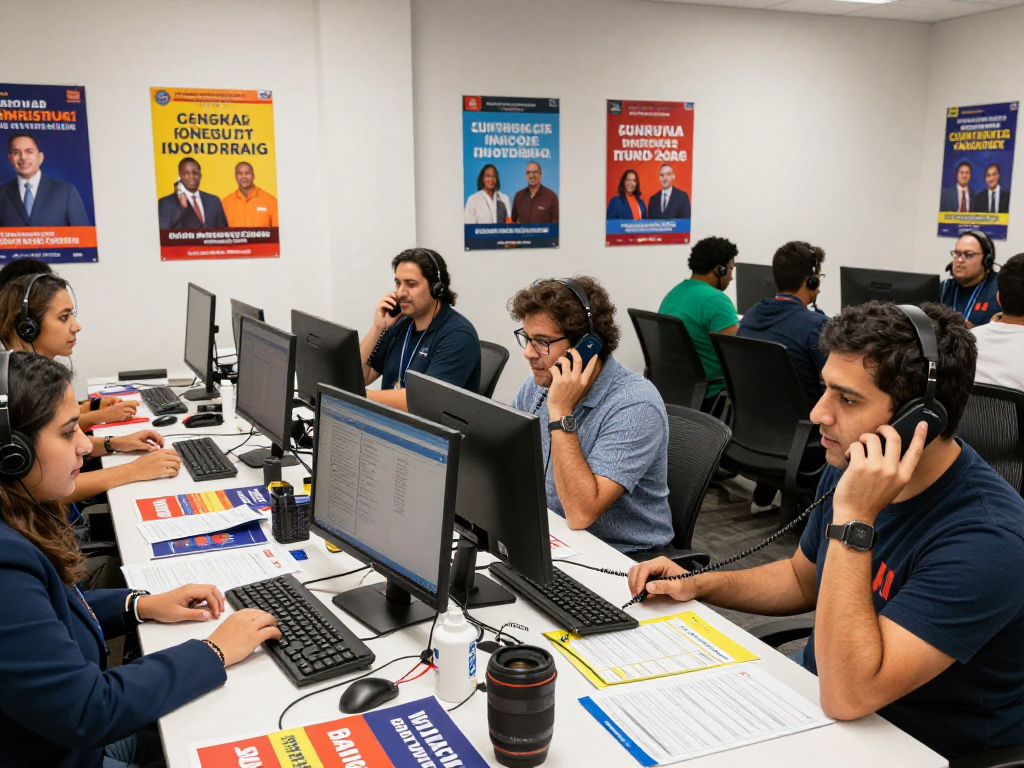
The Importance of Phone Canvassing Services in Modern Campaigning
In an age where political campaigns are increasingly data-driven, understanding your voter base is paramount. The importance of phone canvassing services cannot be overstated, as they provide a direct line of communication to potential voters, ensuring that campaigns are not just about broadcasting messages but engaging in meaningful conversations. Whether you are running for a local district or a statewide position, phone canvassing offers the dual advantage of personalized voter outreach and data collection that underpins effective campaign strategy. In this article, we will explore how leveraging data through phone canvassing can significantly enhance your campaign’s effectiveness and engagement.
Understanding the Role of Data in Voter Targeting
Data is the backbone of successful political campaigns. It allows candidates to identify and reach their target audience efficiently. The first step in any campaign is acquiring a comprehensive voter file that details the demographics, interests, and voting history of constituents within a specific district. By understanding voter segmentation through this data, campaigns can tailor their messages and outreach efforts to address the specific needs and concerns of various voter groups.
Phone canvassing services utilize this data to enhance the effectiveness of their outreach efforts. By knowing who to call and what to say, campaigns can ensure that their messaging resonates. For instance, if a candidate knows that a particular demographic is concerned about healthcare issues, they can prepare canvassing scripts that focus on their healthcare policies when reaching out to those voters. This targeted approach not only increases the likelihood of engagement but also builds rapport and trust with potential voters.
Benefits of Direct Voter Contact Via Phone Canvassing
One of the most significant advantages of phone canvassing is the direct contact it facilitates between candidates and voters. Unlike traditional advertising methods, phone canvassing allows for real-time interaction and feedback. This method provides a unique opportunity to address voter concerns, clarify campaign positions, and gauge voter sentiment on key issues.
- Personalized Engagement: Voters appreciate personalized communication. Phone canvassing allows campaign teams to engage with voters in a way that feels more personal than an email or flyer.
- Immediate Feedback: Canvassers can collect immediate feedback on voter preferences, which can inform campaign strategies and messaging adjustments on the fly.
- Relationship Building: Establishing a connection through a phone call can lead to stronger relationships and a sense of loyalty among constituents, encouraging higher turnout rates on election day.
How Phone Canvassing Enhances Voter Engagement
Engagement is crucial in motivating voters to participate in elections. Phone canvassing serves as a powerful tool to enhance voter engagement by fostering a two-way conversation. When voters feel heard and valued, they are more likely to take action, whether it be voting, volunteering for a campaign, or advocating for issues they care about.
Additionally, phone canvassing can be particularly effective in reaching out to undecided voters. By providing them with information and answering questions, canvassers can influence decisions that might otherwise go unmade. This makes direct contact a vital component of any modern campaign strategy.
Strategies for Effective Phone Canvassing
Best Practices for Script Development
Creating effective canvassing scripts is essential for success. Scripts should be adaptable but consistent, ensuring that key messages are communicated while allowing canvassers to respond authentically to voter interactions. Here are some tips:
- Start with a Strong Opening: Begin with a friendly introduction that states who you are and the purpose of your call.
- Customize Based on Data: Utilize data to tailor your conversation to the voters' specific interests and concerns.
- Include Open-Ended Questions: Encourage dialogue by asking questions that invite the voter to share their opinions and thoughts.
- Be Prepared for Objections: Have responses ready for common objections to ensure smooth conversations.
Training and Preparing Your Canvassing Team
A well-trained canvassing team is critical to the effectiveness of phone outreach. Training should focus on communication skills, data utilization, and compliance with regulations. Here are some strategies to prepare your team:
- Role-Playing Exercises: Conduct role-playing scenarios to help canvassers practice their pitches and responses to different voter reactions.
- Regular Feedback Sessions: Encourage team members to share experiences and learn from each other, facilitating continuous improvement.
- Familiarity with the Data: Ensure that all team members are comfortable with the data they are using, so they can speak knowledgeably to voters.
Utilizing Technology for Seamless Outreach
Technology has revolutionized phone canvassing, making it easier and more efficient than ever. Utilizing customer relationship management (CRM) tools and dedicated canvassing software can streamline the outreach process. Consider the following technological advancements:
- Automated Dialers: These tools can increase efficiency by minimizing the time canvassers spend waiting between calls.
- Data Analysis Tools: Use analytics to gain insights on voter engagement and adjust strategies based on performance metrics.
- Interactive Voice Response (IVR): Incorporate IVR systems for initial voter contact, allowing them to respond to surveys or express interest before a canvasser follows up.
Measuring the Impact of Phone Canvassing
Key Performance Metrics to Track
To ensure the effectiveness of phone canvassing efforts, campaigns must track specific performance metrics. These key performance indicators (KPIs) help assess the impact of canvassing initiatives:
- Call Volume: Measure the number of calls made and completed to gauge outreach levels.
- Voter Engagement Rate: Track how many voters engage positively with canvassers, whether by agreeing to support or ask further questions.
- Conversion Rates: Analyze how many engaged voters ultimately pledge to vote for the candidate or issues being promoted.
Analyzing Voter Feedback and Responses
Understanding voter feedback is essential for refining strategies and improving future outreach. After each canvassing campaign, conduct a thorough analysis of the collected data:
- Survey Results: Review responses from voters to identify trends and common concerns.
- Sentiment Analysis: Use qualitative feedback to assess overall sentiment about the candidate and campaign.
Adjusting Strategies Based on Data Insights
Based on feedback and performance metrics, campaigns should be agile in adjusting their strategies. This may include re-targeting outreach to specific demographics or modifying messaging to better resonate with voters’ concerns.
Common Challenges and Solutions in Phone Canvassing
Overcoming Objections from Voters
Objections are a natural part of the canvassing process. Canvassers should be equipped with strategies to overcome common resistance:
- Listen Carefully: Acknowledge the voter's concerns and show that you value their opinion.
- Provide Clear Information: Address objections with facts and relevant information that can help alleviate concerns.
- Follow-Up: Offer to send more information or answer any questions after the call to keep the conversation open.
Maintaining Compliance with Regulations
Adhering to political campaign regulations is critical. Ensure your canvassing team is trained on compliance issues such as:
- Do Not Call Registry: Be aware of the legalities surrounding contacting individuals on this list.
- Data Protection Laws: Ensure that voter data is handled according to relevant privacy regulations to protect constituents' information.
Handling Technology Issues Efficiently
Technical difficulties can disrupt the canvassing process; therefore, having a plan in place to tackle these challenges is important:
- Technical Support: Assign a tech support team to assist canvassers during outreach sessions, ensuring they have immediate help available.
- Backup Systems: Use backup systems in case of primary system failures to ensure continuity.
Future Trends in Phone Canvassing Services
Emerging Technologies Shaping Voter Outreach
As technology continues to evolve, so too does the landscape of phone canvassing. Future trends to watch include:
- Artificial Intelligence: AI can be used for data analysis and even for creating intelligent scripts that adapt based on real-time feedback.
- Data Integration: Enhanced tools for integrating multiple sources of voter data will offer deeper insights and refined targeting for campaigns.
Predicted Developments in Voter Data Usage
The role of data in campaigns will only grow stronger, with advancements in analytics allowing campaigns to predict voter behavior more accurately. This means more personalized outreach strategies and effective canvassing efforts based on predictive modeling.
Preparing for 2026: What to Expect
As we look ahead to 2026, campaigns must be prepared to adapt to an ever-changing political landscape. Innovating technology, increased voter expectations for engagement, and evolving data privacy laws are just a few of the factors that will shape future phone canvassing strategies. Political organizations that embrace these changes and focus on data-driven engagement will likely lead the way in successful campaigning.