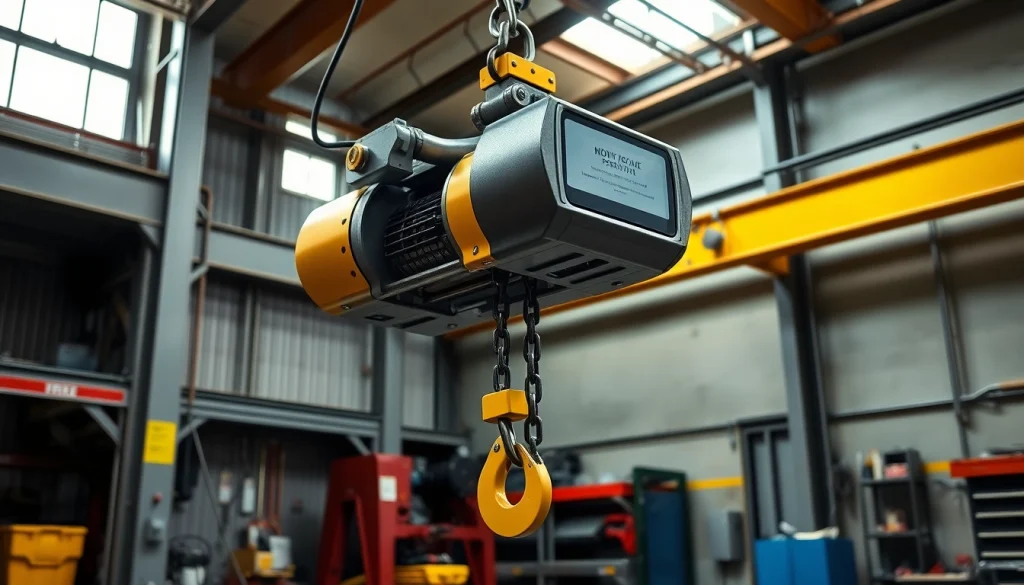
Understanding Electric Chain Hoist Cranes
Electric chain hoist cranes are essential tools in various industries for lifting and moving heavy loads with ease and precision. These machines combine the principles of mechanical advantage with electric motor power to lift significant weights, making them ideal for manufacturing, construction, and logistics applications. As the demand for efficiency and safety in lifting operations increases, understanding the functionality and benefits of these cranes becomes crucial for businesses aiming to enhance their operational capabilities. When exploring options, electric chain hoist crane offers a reliable solution that meets industry standards.
What is an Electric Chain Hoist Crane?
An electric chain hoist crane is a mechanical device that utilizes an electric motor to lift and lower loads using a chain. This type of hoist is designed to provide controlled and efficient lifting capabilities, often employed in environments where heavy lifting is required, such as warehouses, factories, and construction sites. Unlike manual hoists, electric chain hoists significantly reduce the physical effort needed by operators, allowing for safer and more efficient lifting operations.
Key Components and Their Functions
Electric chain hoists consist of several key components, each serving a specific function that contributes to the overall operation of the hoist:
- Electric Motor: The heart of the hoist, responsible for driving the lifting mechanism and controlling the speed of operation.
- Chain Mechanism: A robust chain engages with the lifting hook to raise or lower the load. The strength and length of the chain determine the hoist’s lifting capacity.
- Control System: Operators can control the hoist via a wired or wireless remote, ensuring precision during lifting operations.
- Hook: A vital component used to attach loads securely, designed to withstand high tensile stress.
- Frame and Support Structure: Provides support for the hoist and ensures stability during operation.
Common Applications in Various Industries
Electric chain hoist cranes are versatile tools, finding applications across a diverse range of industries:
- Manufacturing: Used for lifting heavy machinery or materials during production processes.
- Construction: Essential for hoisting structural components, making it easier to assemble buildings.
- Logistics and Warehousing: Facilitate the efficient movement of goods and materials, aiding in inventory management.
- Automotive: Employed in assembly lines for lifting vehicle parts during production.
- Aerospace: Used in the assembly and maintenance of aircraft components due to their precision lifting capabilities.
Benefits of Using Electric Chain Hoist Cranes
Enhanced Safety Features for Operators
One of the most significant advantages of electric chain hoist cranes is the built-in safety features designed to protect operators and loads. Modern hoists include overload protection systems, emergency stop buttons, and limit switches that prevent excessive lifting height. These features minimize the risk of accidents and injuries, ensuring compliance with safety regulations.
Increased Efficiency and Productivity
Electric chain hoists operate at a much faster rate than manual hoists, translating to higher productivity levels. With the ability to lift heavy loads quickly and precisely, businesses can optimize workflows and reduce the time spent on lifting operations. This increased efficiency can lead to significant cost savings and improved turnaround times.
Cost-Effectiveness Over Time
While the initial investment in electric chain hoists may be higher than manual alternatives, their long-term benefits outweigh the costs. Electric hoists require less physical labor, reduce the likelihood of workplace injuries, and minimize the wear and tear on the workforce. Moreover, their durability and low maintenance requirements contribute to lower operational costs in the long run.
Selecting the Right Electric Chain Hoist Crane
Capacity and Load Requirements
When selecting an electric chain hoist crane, it is crucial to determine the required capacity and load specifications. Factors such as the weight of the loads, lifting height, and frequency of use should guide your decision. Hoists come in various capacities, typically ranging from 1/8-ton to several tons, accommodating a wide range of lifting needs.
Power Supply Options and Compatibility
Electric chain hoists can operate on different power supply configurations, including single-phase and three-phase options. Consider the available power source at your facility and ensure that the hoist is compatible with your electricity supply. This compatibility is essential for efficient operation and to prevent electrical hazards.
Durability and Maintenance Considerations
Investing in an electric chain hoist crane requires attention to its durability and maintenance needs. Look for hoists constructed from high-quality materials that can withstand rigorous lifting tasks. Regular maintenance schedules, including inspections and servicing, will help prolong the hoist’s lifespan and maintain optimal performance.
Best Practices for Operation and Maintenance
Safety Guidelines and Protocols
Implementing safety protocols is essential for the operation of electric chain hoist cranes. Operators should be trained in proper usage techniques, including load assessment and the correct use of safety features. Establish a clear communication system among team members during lifting operations to ensure everyone is aware of potential hazards.
Routine Inspection and Maintenance Checklists
Routine inspections are vital for the safe operation of electric chain hoists. Create maintenance checklists that include checks for the following:
- Inspecting chains for wear or damage.
- Testing safety devices and emergency stops.
- Checking electrical connections and motor functions.
- Ensuring that hooks are free from cracks and deformation.
Regular maintenance not only enhances safety but also extends the life of the hoist.
Training Operators for Maximum Efficiency
Proper training is crucial for operators to use electric chain hoist cranes effectively. Training programs should cover operational techniques, safety protocols, and troubleshooting common issues. Knowledgeable operators can maximize the efficiency and safety of lifting operations, ensuring that the hoists perform optimally.
Future Trends in Electric Chain Hoist Cranes
Innovations in Technology and Design
The future of electric chain hoist cranes is poised for significant advancements in technology and design. Innovations such as variable speed drives, lightweight materials, and advanced control systems are expected to enhance the efficiency and usability of these hoists. These technological improvements will allow for more precise handling of loads, making them even more useful in complex lifting tasks.
Integration with Smart Systems and IoT
As industries increasingly embrace automation and the Internet of Things (IoT), electric chain hoist cranes are set to become smarter. Integration with smart systems will enable real-time monitoring of hoist performance, allowing for predictive maintenance and improved operational efficiency. These systems can also help in data collection for analysis, providing insights into usage patterns and operational bottlenecks.
Environmental Considerations and Sustainability
With growing emphasis on sustainability, electric chain hoist manufacturers are focusing on developing eco-friendly designs. This includes energy-efficient motors and materials that reduce the environmental impact of production. As the industry moves toward adopting greener technologies, companies can expect not only to comply with regulations but also to enhance their corporate responsibility profiles.