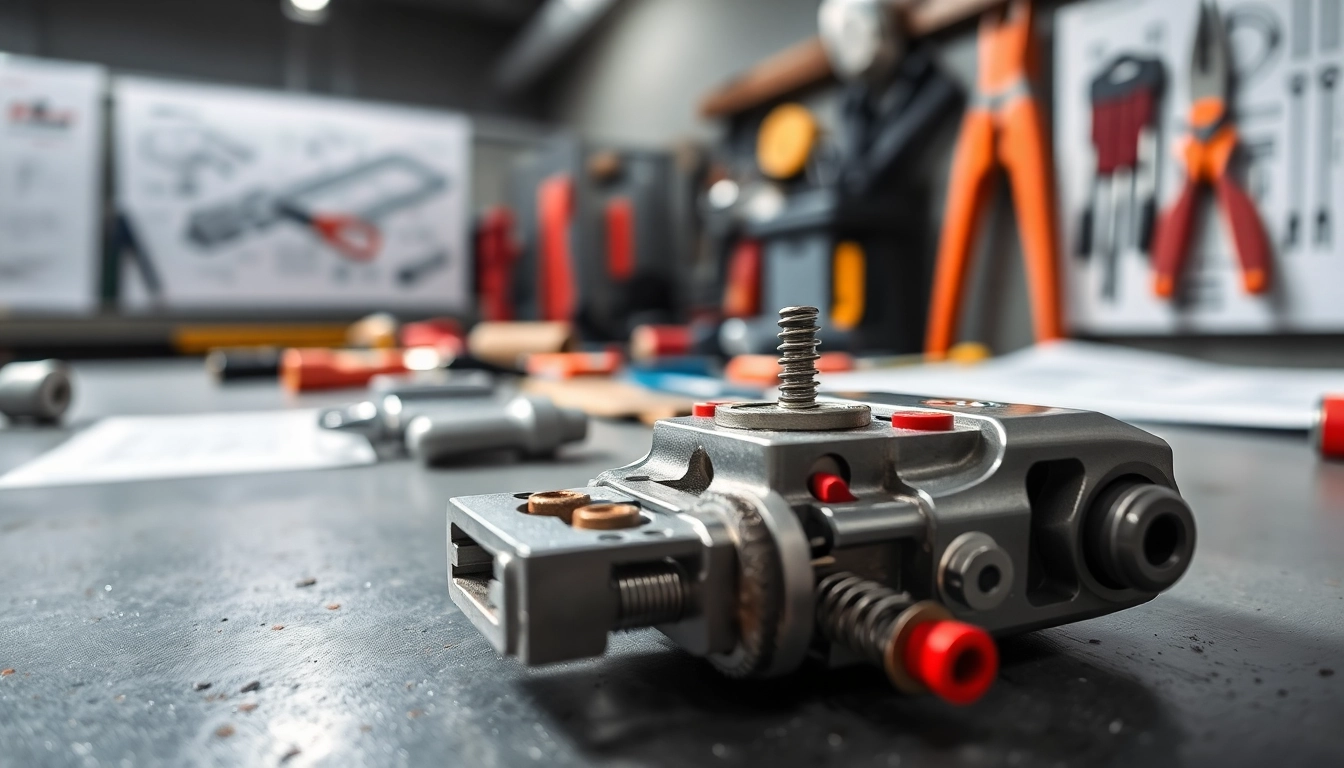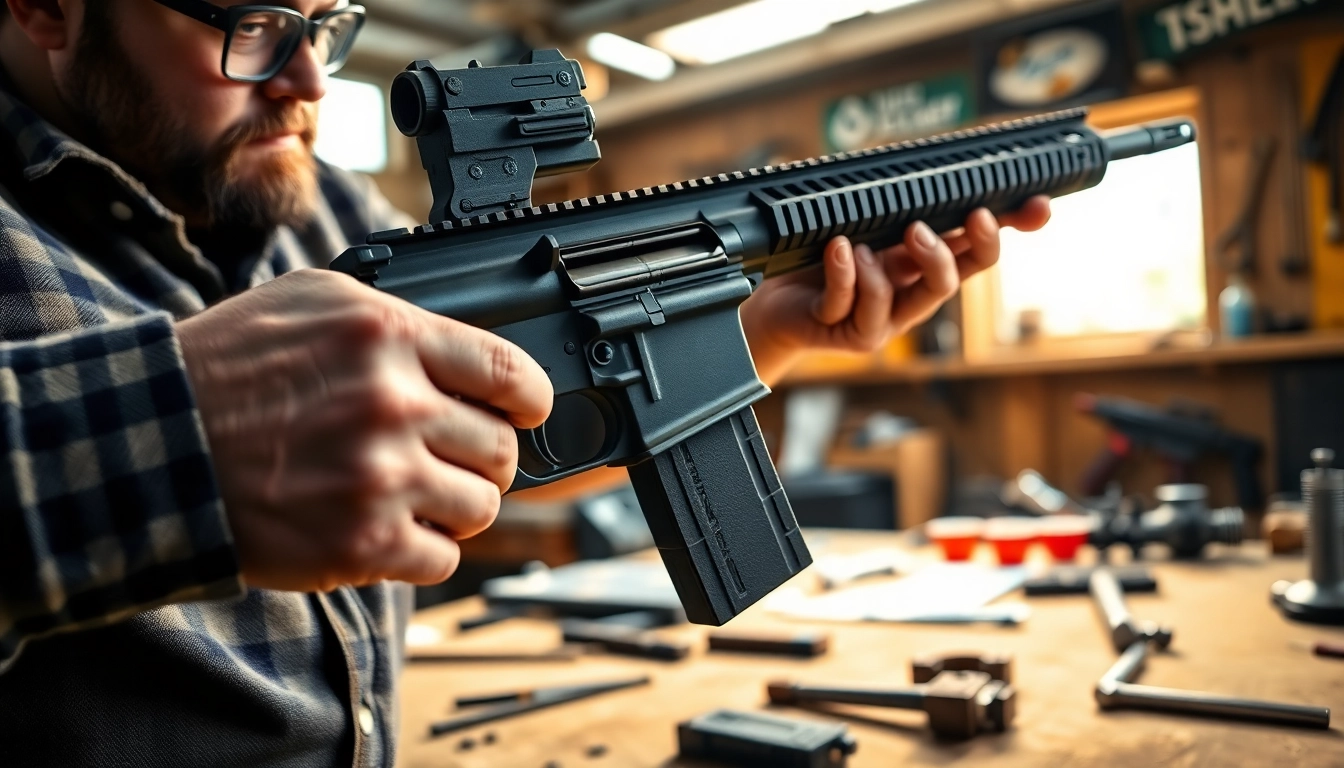
What is a Forced Reset Trigger?
Definition of Forced Reset Trigger
A Forced reset trigger (FRT) is a type of firearm trigger that allows for rapid sequential firing without the need for extensive manual resetting between shots. Unlike traditional triggers, which require complete release before being pulled again, a forced reset trigger automatically returns to its starting position after a shot is fired, facilitating a faster shooting rhythm. This innovation appeals to enthusiasts and competitive shooters seeking enhanced performance from their firearms.
How It Operates
The operation of a forced reset trigger revolves around the cycling action of the firearm itself. When a round is discharged, the mechanism manipulates the trigger’s position, setting it back to its ready state swiftly for the next shot. This operation requires that the shooter still pull the trigger each time to fire; however, the reset is instantaneous, allowing for a rapid succession of shots that can simulate a full-auto experience without being classified as automatic firing by regulatory frameworks.
Common Uses in Firearms
Forced reset triggers are predominantly seen in semi-automatic rifles such as AR-15s, where competitive shooting disciplines demand quick follow-up shots. Moreover, recent advancements have led to their incorporation in pistols, as designers aim to enhance performance and user ease. They are becoming increasingly popular in tactical scenarios as well, where adaptive firing solutions can significantly affect outcomes.
Advantages of Using a Forced Reset Trigger
Easier Rapid-Fire Capability
The primary advantage of forced reset triggers is their ability to facilitate rapid-fire capabilities. Shooters can achieve quicker follow-up shots without the physical strain associated with continuous trigger pulls. This ease of operation can lead to improvements in competitive settings, where time and accuracy are critically assessed. It simplifies processes that require speed, enabling shooters to maintain focus on their target rather than the mechanics of re-triggering.
Enhanced Control for Shooters
Beyond speed, a forced reset trigger offers heightened control. The consistent engagement and disengagement characteristics allow for more precise shooting, which is vital during competition or tactical use. Shooters can focus on technical aspects such as breath control and aim, rather than fluctuating pressure on traditional triggers. The mechanical nature of forced reset triggers can also provide feedback that reinforces the shooter’s timing and rhythm.
Legal Considerations Regarding Compliance
A crucial aspect of forced reset triggers is their legal standing. As of now, they are classified under federal law as non-automatic triggers, meaning they don’t fall under the same restrictions as machine guns. However, users must remain mindful of state-specific legislation that may impose additional regulations or prohibitions regarding forced reset trigger ownership. Thus, regional awareness is essential for compliance and to avoid legal pitfalls.
Installation and Maintenance of Forced Reset Trigger
Installation Process Overview
Installing a forced reset trigger can generally be performed by seasoned firearm enthusiasts with a degree of mechanical competence. The process typically involves disassembling the firearm’s lower receiver and replacing the standard trigger mechanism with the forced reset trigger. Following the manufacturer’s instructions is paramount to ensure functionality and safety. It is advisable to consult forums or detailed guides from knowledgeable sources during this process for best practices.
Regular Maintenance Tips
Proper maintenance of a forced reset trigger is crucial to prevent malfunction and wear. Routine cleaning of the trigger mechanism should be conducted to remove contaminants. Additionally, regular lubrication of the moving parts enhances performance and longevity. Inspections should be unceasing, looking for signs of wear or damage, which can affect the trigger’s responsiveness.
Common Troubleshooting Issues
Users may encounter certain issues such as failure to reset properly or irregular firing performance. Such challenges can stem from inadequate lubrication or debris clogging the mechanism. In such cases, disassembling the trigger to clean thoroughly or replace parts as necessary can resolve functionality concerns. Always refer to the manufacturer’s troubleshooting guidelines for specific diagnosis and solutions.
Comparison with Other Trigger Systems
Forced Reset Trigger vs. Traditional Triggers
When comparing forced reset triggers to traditional triggers, the differences are significant, particularly in speed and reset time. Traditional triggers require a complete release to reset, resulting in higher response time. In contrast, a forced reset trigger focuses on delivering rapid reset capabilities, enhancing user firing speed while maintaining accuracy. For shooters aiming to improve performance metrics, the difference can be substantial in competitive environments.
Forced Reset Trigger vs. Binary Triggers
Binary triggers are another popular alternative, allowing firing on both pull and release, which can mimic full-auto behavior. However, forced reset triggers differ in that they require the shooter to pull the trigger each time, providing a distinct shooting experience. The decision between the two often hinges on personal preference or specific application needs, where forced reset triggers may be favored for control during engagements.
Performance Assessment Comparisons
Performance assessments demonstrate the advantages of forced reset triggers in various scenarios. During competitive shooting, those utilizing forced reset triggers have reported faster split times between rounds. Moreover, in law enforcement or tactical training settings, the enhanced rhythm can translate to higher hit probabilities. Continuous use of forced reset triggers allows shooters to establish a rhythm that can be beneficial in high-stress environments.
Frequently Asked Questions About Forced Reset Trigger
Are Forced Reset Triggers Legally Allowed?
Currently, forced reset triggers are legal under federal law in the US, but state laws vary significantly. Always check your local regulations.
What Firearms Can Use the Forced Reset Trigger?
Many AR-15 models are compatible, but verification against specific firearm models is necessary before purchase.
Can Forced Reset Triggers Be Installed by Beginners?
While DIY installation is possible, it’s recommended to consult a professional or detailed guide to ensure safety and proper function.
Do Forced Reset Triggers Require Special Licensing?
No special licensing is required at the federal level, but state laws might impose specific regulations. Always verify locally.
How Do I Maintain a Forced Reset Trigger?
Regular cleaning and inspection for wear are essential. Keep the trigger lubricated and ensure no debris interferes with its operation.