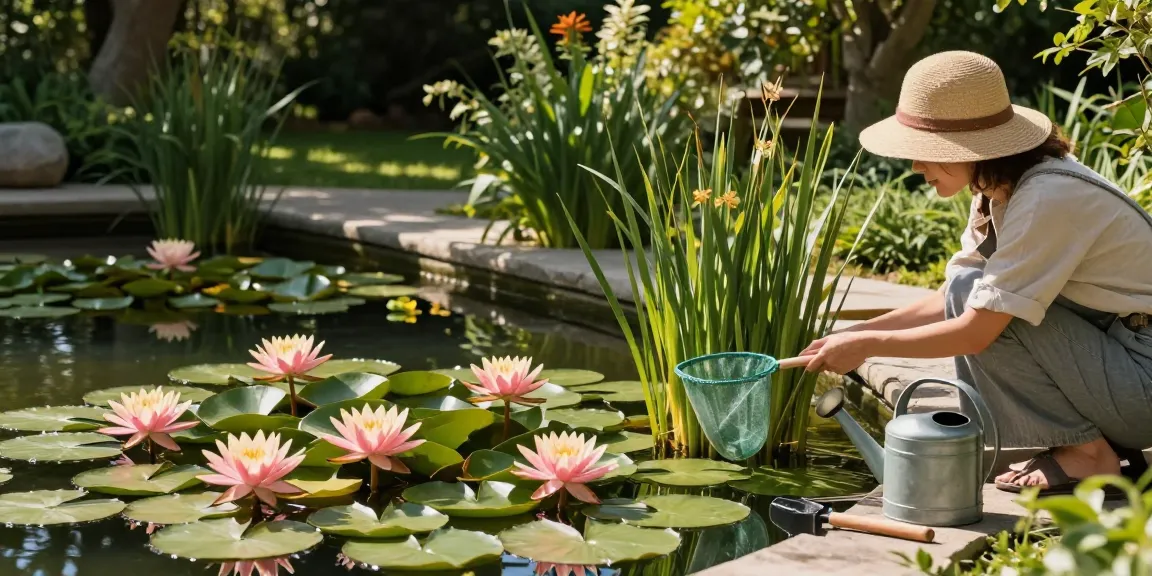
Understanding Water Lilies: Characteristics and Care
Water lilies, known for their stunning blossoms and lush foliage, are a staple in many ponds and water gardens. These perennial aquatic plants belong to the family Nymphaeaceae and are primarily recognized for their large, flat leaves that float on the water’s surface and their vibrant flowers that bloom in a variety of colors. When exploring options, Water Lilies provide comprehensive insights into creating an aquatic paradise that attracts both beauty and biodiversity. In this section, we will delve into their different varieties and how best to care for them.
What are Water Lilies and Their Varieties?
Water lilies are divided into two main categories: hardy and tropical. Hardy water lilies (Nymphaea) are typically more resilient and can survive colder climates, making them ideal for temperate zones. They bloom in the summer and come in various colors, including white, pink, yellow, and blue. On the other hand, tropical water lilies require warmer temperatures and often have more vivid flowers and unique shapes. These include varieties like the ‘Blue Purple Hardy’ and ‘Starry Night’, which can add dramatic flair to your garden.
Optimal Growing Conditions for Water Lilies
To thrive, water lilies need specific conditions. They prefer full sun, ideally receiving at least six hours of sunlight daily. The water temperature should be between 70°F and 90°F (21°C to 32°C), supporting their rapid growth. Additionally, the water quality is crucial; they prefer slightly acidic to neutral pH levels between 6.0 and 7.5. Nutrient-rich soils or aquatic planters further enhance their growth, providing them with essential minerals needed for lush foliage and flowering.
Common Challenges in Water Lily Cultivation
Despite their beauty, water lilies can face several challenges. These include algae growth, which can compete for nutrients and light, and pests such as aphids and spider mites. Moreover, improper planting depth can lead to poor growth; water lilies should be placed so their leaves can float on the surface while their roots are submerged in nutrient-rich soil.
The Importance of Water Lilies in Pond Ecosystems
Water lilies are not only aesthetically pleasing; they play a crucial role in maintaining pond health. By providing shade and shelter, they help regulate water temperature and reduce algae growth, creating a balanced ecosystem.
How Water Lilies Benefit Aquatic Life
Water lilies provide habitat for various aquatic organisms, from fish to amphibians. Their large leaves offer a resting spot for fish, while their roots serve as breeding grounds for insects and other beneficial organisms that enhance the pond’s biodiversity. The flowers themselves attract pollinators such as bees and butterflies, contributing to the wider ecosystem.
Water Quality and Water Lilies: A Symbiotic Relationship
Water lilies help improve water quality by absorbing excess nutrients from the water, thus reducing the risk of algae blooms. This symbiotic relationship ensures a cleaner environment for all pond inhabitants. Regular maintenance, including removing dead leaves and flowers, helps water lilies function effectively in this role.
Integrating Water Lilies into Your Pond Design
When designing a pond, strategically placing water lilies can enhance both beauty and functionality. It’s recommended to plant them where they can receive ample sunlight without obstructing the view or access to deeper areas of the pond. Additionally, combining them with other aquatic plants can create a diverse ecosystem that supports various wildlife and improves overall aesthetics.
Choosing the Right Water Lilies for Your Garden
Selecting the appropriate water lily variety for your garden is essential for achieving the desired effect while ensuring the plants thrive in your specific environment.
Factors to Consider When Selecting Varieties
When choosing water lilies, consider your local climate, pond depth, and available sunlight. Hardy water lilies are best suited for colder climates, while tropical varieties flourish in warmer conditions. Additionally, assess the growth rate of the species you’re interested in; some may spread rapidly, requiring more management than others.
Seasonal Considerations for Water Lily Planting
The best time to plant water lilies is in the spring when the temperatures are warming. This allows their roots to establish before the heat of summer encourages vigorous growth and flowering. Ensure you provide sufficient space for their expected growth to avoid overcrowding.
Where to Source Quality Water Lilies
Quality water lilies can be sourced from specialized aquatic nurseries or garden centers that offer a variety of species. Online retailers can also provide a wide selection, often with detailed information on each variety’s care requirements and hardiness zones.
Water Lily Maintenance: Best Practices for Longevity
Proper maintenance is key to ensuring your water lilies thrive and continue to enhance your pond’s beauty year after year.
Essential Care Techniques for Thriving Water Lilies
Water lilies require regular care, including fertilization with aquatic plant food during the growing season to promote healthy blooms. Additionally, ensure their leaves and blooms are free from debris, which can harbor pests and diseases. Regularly checking the water level in your pond is also crucial to maintain optimal growth conditions.
When and How to Prune Water Lilies Effectively
Pruning water lilies involves removing dead leaves and spent flowers to keep the plants healthy. This should be done regularly throughout the growing season, particularly in late summer and fall. Use sharp, clean tools to prevent damage to the plant and keep the pond free of debris.
Dealing with Pests and Diseases in Water Lilies
Common pests affecting water lilies include aphids and spider mites. Regularly inspecting your plants can help detect infestations early. For effective management, consider introducing beneficial insects or using organic pest control methods. Diseases such as leaf spot or rot can be managed by ensuring proper water quality and maintaining good air circulation through pruning.
The Future of Water Lilies in 2026: Trends and Innovations
As gardening continues to evolve, water lilies remain a focus for innovation within aquatic gardening practices. By 2026, we can expect several trends that may influence their cultivation and care.
Emerging Gardening Techniques for Water Lilies
Urban gardening initiatives, including vertical and container gardening, may lead to new methods for growing water lilies, even in smaller spaces. Innovations in eco-friendly gardening products and techniques may also become more mainstream, further enhancing the appeal of water lilies in home gardens.
Predicting Changes in Water Lily Varieties
With ongoing plant breeding efforts, it is likely that new cultivars of water lilies with enhanced colors, fragrances, and disease resistance will emerge. This could lead to greater biodiversity in home gardens and public landscapes, enriching the aesthetic appeal and ecological impact of these plants.
Water Lilies and Sustainability in Aquatic Gardening
Sustainability will play a pivotal role in the future of water lily cultivation. As ecological awareness increases, more gardeners will seek out native and non-invasive varieties that support local wildlife. Additionally, employing organic gardening techniques will contribute to healthier pond ecosystems while ensuring the longevity of these beautiful plants.
Frequently Asked Questions about Water Lilies
- What are the best conditions for growing Water Lilies? Water lilies thrive in full sun with temperatures between 70°F and 90°F and prefer slightly acidic to neutral pH levels.
- How do Water Lilies impact pond health? They help improve water quality, provide habitat for wildlife, and reduce algae growth.
- Can Water Lilies be grown in containers? Yes, water lilies can be successfully grown in containers, making them versatile for various garden designs.
- What are common pests that affect Water Lilies? Common pests include aphids and spider mites, which can be managed through regular inspection and organic control methods.
- How often should Water Lilies be fertilized? Water lilies should be fertilized on a regular basis during the growing season for optimal growth and blooming.