
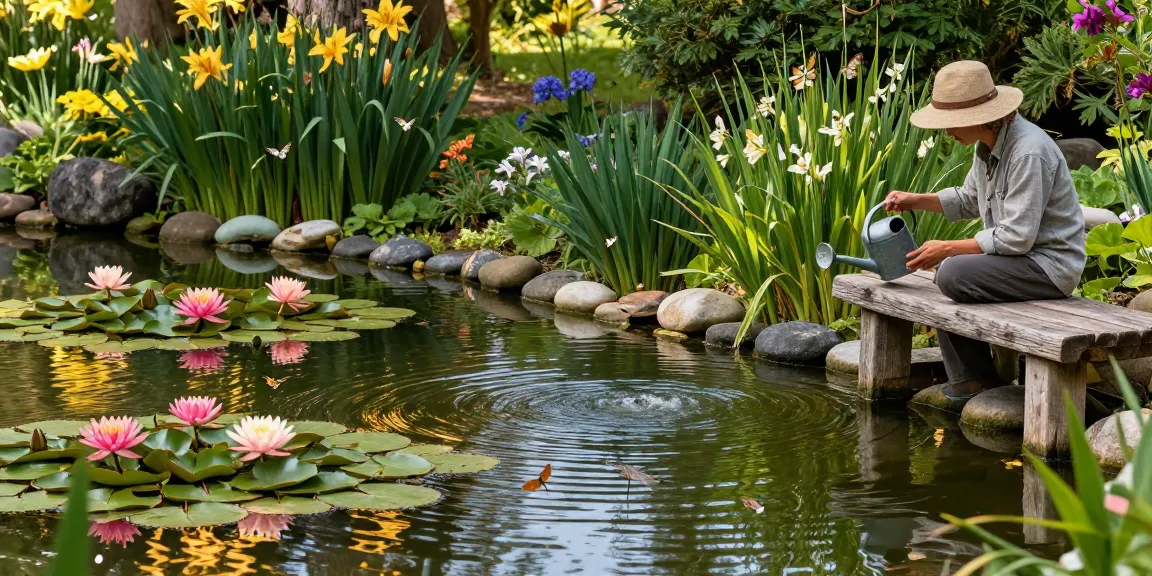
Understanding the Benefits of Water Lilies
Pond gardening enthusiasts often find themselves captivated by the enchanting beauty of water lilies. Not only do these aquatic plants enhance the aesthetic appeal of a pond, but they also offer numerous benefits for both the environment and aquatic ecosystems. If you’re contemplating how to elevate your garden’s landscape, you should consider the myriad advantages of integrating water lilies into your water feature. For those interested in procuring these stunning plants, you can Buy Water Lilies to transform your aquatic oasis.
Why You Should Buy Water Lilies for Your Garden
Water lilies are not just visually appealing; they serve multiple practical purposes in a pond environment. When planted correctly, they provide shade, which helps regulate water temperatures, thereby creating a comfortable habitat for fish and other aquatic life. Their large, floating leaves also minimize sunlight penetration, thwarting algae growth and maintaining clearer water.
- Aesthetic Appeal: With a variety of colors and sizes, water lilies can dramatically enhance your garden’s beauty.
- Habitat for Wildlife: They provide shelter for fish and other aquatic creatures, promoting biodiversity.
- Water Quality Improvement: Through photosynthesis, they oxygenate the water, making it cleaner and healthier.
The Environmental Impact of Water Lilies
Integrating water lilies into your pond not only beautifies your space but also has a positive environmental impact. These plants help improve water quality and support various life forms. They absorb nutrients and pollutants, effectively preventing eutrophication—a condition where excess nutrients lead to algae blooms that can harm aquatic life.
How Water Lilies Improve Aquatic Ecosystems
Water lilies play an essential role in sustaining aquatic ecosystems. By creating a microhabitat, they support diverse organisms, from insects to fish. Their root systems stabilize sediment, preventing erosion, while their foliage provides a surface for beneficial microbes to thrive.
Choosing the Right Water Lilies for Your Pond
Different Types of Water Lilies: A Comprehensive Guide
When selecting water lilies, it’s essential to understand the different species and varieties available. From hardy types that withstand colder climates to tropical varieties that require warmth, each has unique characteristics:
- Hardy Water Lilies: These prefer temperate climates and can survive winter dormancy.
- Tropical Water Lilies: Beautiful and vibrant, they require warmer conditions but bloom profusely.
- Dwarf Water Lilies: Perfect for smaller ponds or containers, these varieties still provide beautiful blooms without taking up excessive space.
Factors to Consider When Selecting Water Lilies
Choosing the right water lilies involves considering several factors, including:
- Pond Size: Ensure that the water lilies you select are suitable for the size of your aquatic space.
- Climate: Assess your climate zone to determine whether you should opt for hardy or tropical varieties.
- Sun Exposure: Most lilies require full sun, so consider how much sunlight your pond receives throughout the day.
Growing Conditions for Healthy Water Lilies
To thrive, water lilies need specific growing conditions. They prefer warm, nutrient-rich water and should be planted in shallow areas of the pond where their roots can easily establish. Regular maintenance, including adequate fertilization and proper water levels, is also crucial for their growth.
The Best Time to Buy Water Lilies
Seasonal Considerations for Purchasing Water Lilies
The best time to buy water lilies typically aligns with their planting season, which usually falls in spring. During this time, the temperatures are rising, and plants are more likely to establish roots effectively. It’s advisable to purchase them early in the season to give them ample time to acclimatize and flourish throughout the summer.
Where to Find Quality Water Lilies
Finding quality water lilies requires doing a bit of research. Local nurseries, garden centers, and specialized aquatic plant retailers often offer a variety of options. Online marketplaces can also be excellent resources if you’re looking for specific types not available locally. Ensure that the source you choose prioritizes healthy, well-cared-for plants.
Tips for Acquiring Water Lilies from Trusted Sources
When looking to acquire water lilies, always consider these tips:
- Check Reviews: Look for customer testimonials and overall ratings of the vendor.
- Inspect Plant Health: If purchasing in-store, inspect the plants for signs of disease or poor care.
- Ask Questions: Don’t hesitate to inquire about the source’s growing conditions and care practices.
Planting and Maintaining Water Lilies
Step-by-Step Guide to Planting Water Lilies
Planting water lilies may seem daunting, but it can be straightforward. Follow these steps for successful planting:
- Select a Container: Choose a wide, shallow container that allows for sufficient root growth.
- Add Soil: Use heavy garden soil mixed with aquatic plant fertilizer.
- Position the Plant: Place the water lily in the center, making sure it’s sufficiently buried but not too deep.
- Submerge the Container: Lower the container into the water, ensuring the top of the plant sits just below the surface.
Water Lily Maintenance: Common Issues and Solutions
While water lilies are generally low-maintenance, challenges can arise. Here are common issues and their solutions:
- Yellow Leaves: This may indicate nutrient deficiency; consider fertilizing.
- Algae Growth: Too much sunlight can cause excess algae; consider adding more water lilies for shade.
- Stunted Growth: Ensure the plant is not overcrowded and has adequate nutrients.
When to Fertilize and Prune Your Water Lilies
Regular fertilization promotes healthy growth; it’s best to fertilize during the growing season, approximately every four to six weeks. Pruning should be done in late fall, removing any dead or decaying leaves to prepare the plant for winter dormancy.
Future Trends in Aquatic Gardening: Water Lilies and Beyond
Innovative Practices in Water Lily Cultivation
As gardening practices evolve, so do the methods for cultivating water lilies. Innovations such as hydroponic systems and aquaponics are being explored to grow water lilies more efficiently. Additionally, biotechnology is paving the way to develop hybrids that can withstand various environmental stressors.
Predictions for Water Gardening in 2026
Looking ahead to 2026, it is expected that aquatic gardening will become more integrated with smart technologies. Features such as automated water management systems and app-controlled lighting for aquatic plants will revolutionize how enthusiasts maintain their gardens.
Expert Insights on Sustainable Aquatic Plant Care
Experts emphasize the importance of sustainability in aquatic gardening. Practices such as using native species, minimizing chemical fertilizers, and promoting biodiversity through careful ecosystem management will become crucial as environmental concerns grow.
What Are the Benefits of Water Lilies for Biodiversity?
Water lilies are essential for fostering biodiversity in aquatic environments. They offer nourishment for various aquatic insects, which in turn support fish and birds. By planting water lilies, gardeners can contribute to a healthier ecological balance within their ponds.
Can Water Lilies Thrive in Different Climate Zones?
Water lilies can thrive in various climate zones, but their growth success largely depends on proper selection and care. Hardy varieties can adapt to cooler climates, while tropical varieties require more warmth, making them suited for warmer areas or greenhouses.
How Do Water Lilies Contribute to Pond Aesthetics?
Water lilies are a hallmark of pond aesthetics, providing vibrant colors and tranquility to any water feature. Their blooms float gracefully on the surface, creating a serene and picturesque view that enhances the overall ambiance of a garden.
What Are Effective Strategies for Propagating Water Lilies?
Propagation can easily be achieved through division. Every few years, when the plants become dense, they can be divided to create new plants. This not only helps manage space but also encourages robust growth in existing plants.
What Maintenance Practices Enhance Water Lily Growth?
To keep water lilies thriving, ensure regular maintenance such as removing debris, checking for pests, and monitoring water levels and quality. Implementing a balanced feeding schedule will significantly enhance their growth and overall health.


