Understanding the Importance of the Freezer
Why Every Kitchen Needs a Freezer
The kitchen is the heart of every home, and a Freezer is an essential component that plays a crucial role in food preservation and meal planning. A freezer offers a convenient way to extend the shelf life of produce, meats, and prepared meals, allowing for flexibility and reducing waste. With busy lifestyles, having a freezer helps streamline meal preparation, making it easier to enjoy home-cooked meals without the daily hassle of cooking from scratch.
Benefits of Using a Freezer
Utilizing a freezer presents numerous benefits that extend beyond convenience. Here are some of the key advantages:
- Cost-Effective: Buying in bulk and freezing food can save money. Seasonal produce often costs less, and freezing it allows you to enjoy it year-round.
- Reduced Food Waste: Freezing helps preserve leftovers and prevent spoilage, ensuring that less food goes to waste.
- Meal Preparation: With a well-stocked freezer, meal prep becomes more manageable. You can batch-cook meals and freeze portions for future use.
- Convenience: Having a variety of frozen options readily available reduces the need for last-minute grocery runs.
- Healthier Options: Freezing eliminates dependency on store-bought frozen foods that may contain preservatives, allowing you to control ingredients and nutritional value.
Common Freezer Myths Debunked
Despite the benefits, there are several myths surrounding freezers that can lead to misconceptions:
- Myth 1: Freezing destroys the nutrients in food.
Fact: While some loss of nutrients can occur, freezing actually helps to preserve many vitamins and minerals. - Myth 2: Food can be frozen indefinitely.
Fact: While frozen food can last a long time, quality diminishes over time. Each food type has a recommended storage duration. - Myth 3: You can freeze everything.
Fact: Some foods, like certain dairy and fruits, do not freeze well, leading to undesirable texture changes.
Types of Freezers Available
Upright vs. Chest Freezer
When choosing a freezer, the design plays a significant role in usability and storage options. The two primary types are upright and chest freezers:
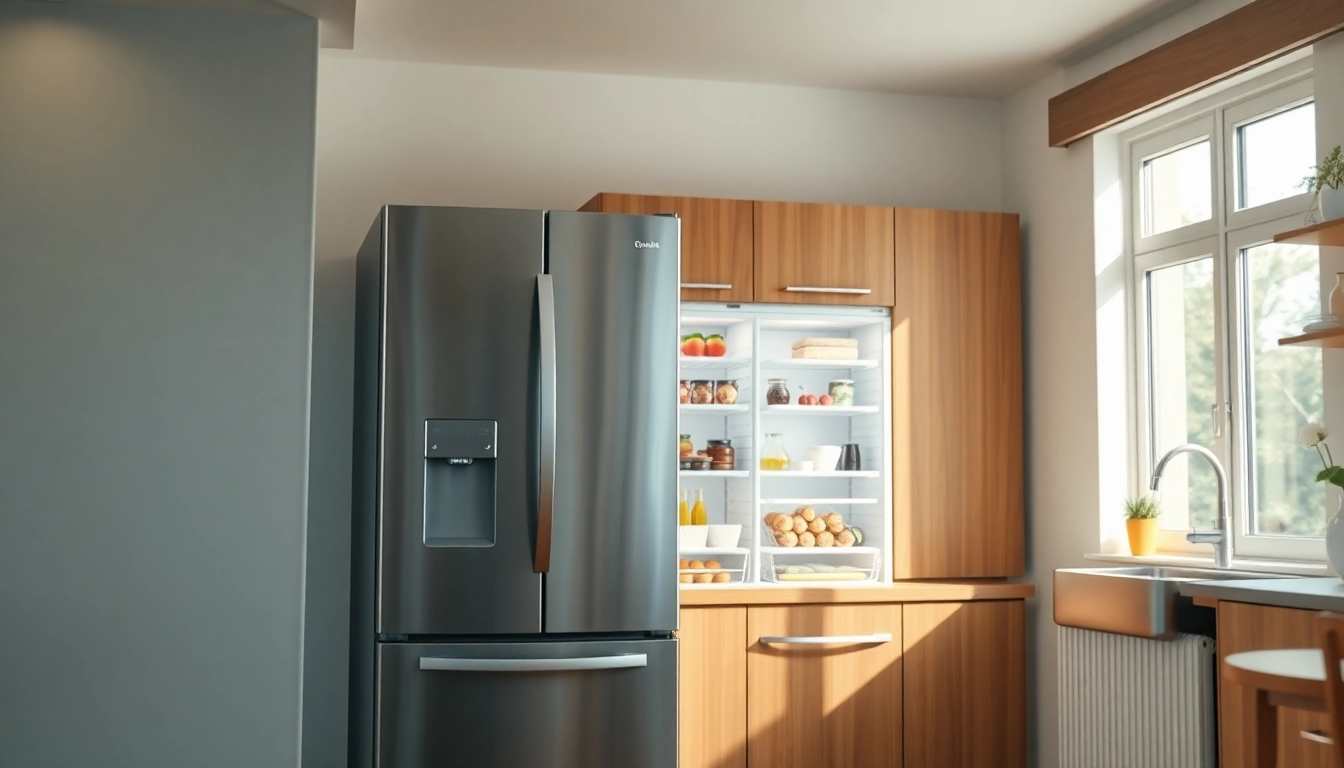
- Upright Freezer: Typically resembling a refrigerator, upright freezers take up less floor space. They often feature shelving for better organization and easy access. However, they may be more expensive and less energy-efficient compared to chest models.
- Chest Freezer: Chest freezers provide more storage space and are generally more energy-efficient. They require more floor space and can be harder to organize, but they offer better insulation and keep food colder for longer during power outages.
Portable and Compact Freezer Options
For those with limited space, portable and compact freezers present versatile options. Ideal for small kitchens, RVs, or as additional storage for large families, these freezers are designed for convenience and practicality. They often come in mini or drawer-style models, making them easy to fit in a corner or under a countertop.
Energy Efficiency Ratings Explained
Understanding energy efficiency is vital when purchasing a freezer. Energy-efficient models can lead to substantial cost savings over time. Look for freezers with ENERGY STAR certifications, which indicate that they meet strict efficiency guidelines set by the U.S. Environmental Protection Agency. These units can be 10-50% more efficient than non-certified models, ultimately helping to lower utility bills without compromising performance.
Key Features to Consider When Buying a Freezer
Capacity: Finding the Right Size
Choosing the right freezer size is crucial. A standard guideline suggests allowing 1.5 to 2.0 cubic feet of freezer space per person in your household. For larger families or those who frequently cook in bulk, a larger freezer may be necessary. Consider available space, as well as how often you shop and the types of food you plan to store, to determine the most appropriate capacity.
Temperature Control and Settings
Effective temperature control is essential for optimal food preservation. Look for freezers with adjustable temperature settings and clear displays. Many modern freezers include a quick-freeze function that rapidly lowers the temperature for newly added items, benefiting food freshness. Frequent user-friendly features include alarms or alerts for doors left ajar or temperatures fluctuating outside set ranges, enhancing food safety.
Additional Features: Shelves, Baskets, and More
When selecting a freezer, consider any additional features that can enhance functionality:
- Adjustable shelves: Allow customization of space to store items of varying sizes.
- Sliding baskets: Help organize smaller items and make retrieval easier.
- LED interior lighting: Provides better visibility, especially in deep freezers.
- Frost-free technology: Minimizes the need for manual defrosting, saving you time and effort.
Maintaining Your Freezer for Longevity
Regular Cleaning and Maintenance Tips
Regular maintenance is key to ensuring the longevity and efficiency of your freezer. Follow these tips for upkeep:
- Clean the interior with a mild detergent and water solution regularly to prevent odors.
- Check and clean the condenser coils at least once a year to enhance cooling efficiency.
- Ensure the door seals are airtight by regularly inspecting them for wear and tear.
Signs Your Freezer Needs Repair
Being aware of potential issues can help you take timely action. Watch out for the following signs that indicate your freezer may need repairs:
- Inconsistent temperatures or food thawing.
- Excessive ice buildup in the freezer.
- Noisy operation or unusual sounds.
- Increased energy bills without a change in use.
How to Efficiently Organize Your Freezer
Efficient organization is vital for maximizing space and accessibility. Here are some top tips:
- Categorization: Group similar items together, such as meats, vegetables, and prepared meals.
- Labeling: Use labels on containers and bags to indicate contents and freezing dates.
- FIFO Method: Follow the first-in, first-out principle to ensure older items are used before newer ones.
FAQs about Freezers
What size freezer is best for my family?
A standard freezer size varies, but typically, 1.5 to 2.0 cubic feet per person is recommended to ensure sufficient space for food storage.
How often should I defrost my freezer?
Defrost your freezer at least once a year or when frost buildup exceeds 1/4 inch to maintain efficiency and storage space.
Can I put hot food directly in the freezer?
It’s best to cool down hot food to room temperature before placing it in the freezer to prevent temperature fluctuations and maintain food quality.
How long can food be stored in a freezer?
Food can generally be stored in a freezer for 3 to 12 months, depending on the type, with most items maintaining optimal quality the first few months.
What is freezer burn and how to prevent it?
Freezer burn occurs when air reaches the food, leading to dry patches. Store food in airtight containers or vacuum-seal bags to prevent it.