
Introduction
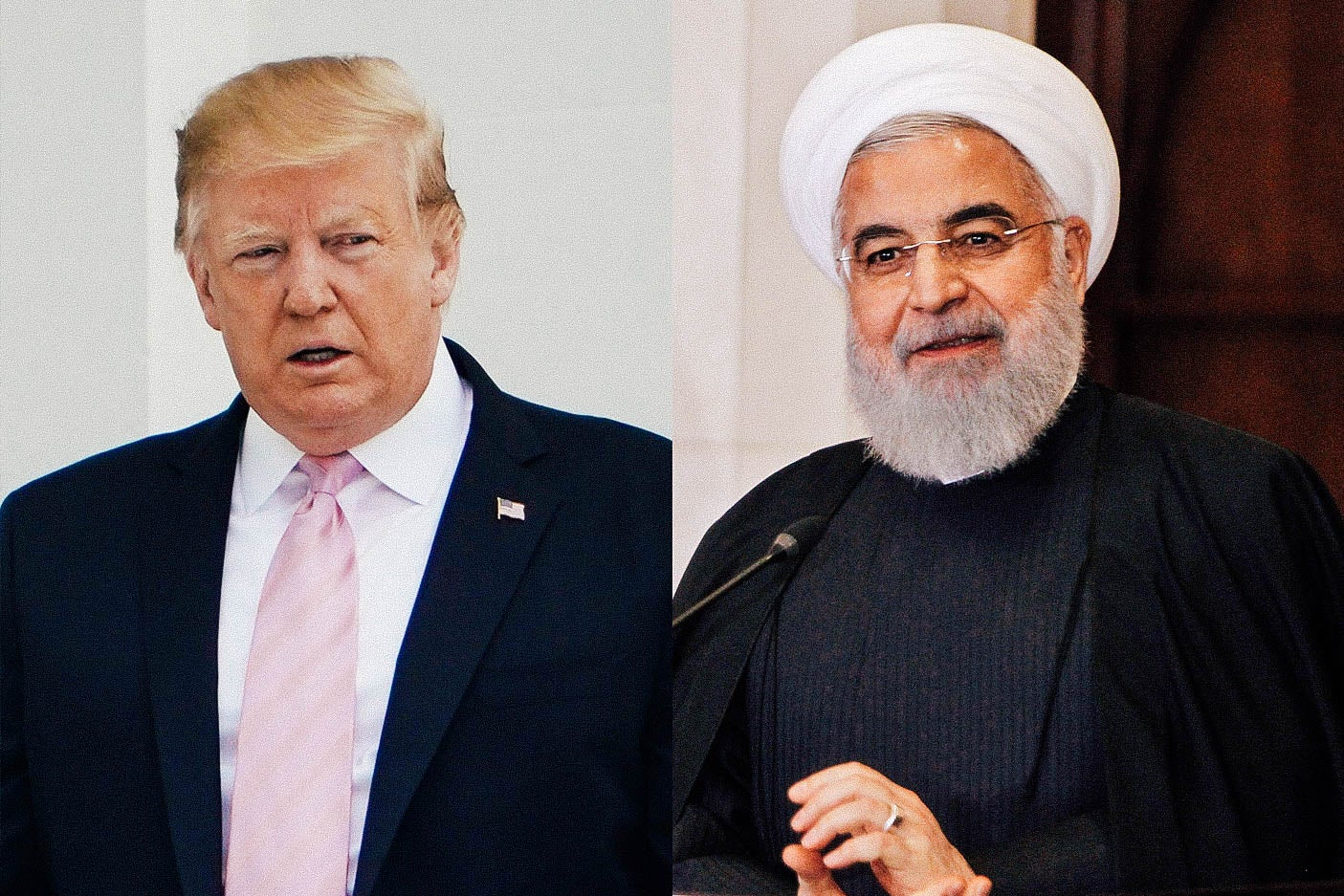
Donald Trump Iran, the ongoing relationship between Donald Trump and Iran has become one of the most dynamic and consequential stories in recent geopolitics. From his first term in office to his return in 2025, Trump’s policies toward Iran have significantly influenced U.S. foreign strategy, nuclear diplomacy, and Middle East stability. As of 2026, Trump’s stance toward Iran is evolving, with a complex mix of military pressure and diplomatic negotiations that will likely define the region’s future.
1. The Trump Administration’s Shift in U.S.-Iran Relations
Donald Trump’s first presidency marked a sharp departure from previous U.S. policies toward Iran. One of the most pivotal actions was his decision to pull the United States out of the Joint Comprehensive Plan of Action (JCPOA) in May 2018, a multilateral nuclear deal that had been intended to limit Iran’s nuclear capabilities in exchange for sanctions relief. Trump argued that the deal was inadequate, accusing Donald Trump Iran of continuing to develop nuclear weapons and expand its regional influence. The withdrawal was followed by Trump’s "maximum pressure" sanctions, aiming to cripple Iran’s economy by targeting oil exports and key industries.
This aggressive approach led to escalated tensions, highlighted by the assassination of Iranian General Qasem Soleimani in January 2020, which in turn triggered Iranian missile strikes on U.S. bases in Iraq. This was one of the most critical points of conflict between the two nations, bringing them to the brink of war.
2. Donald Trump Iran Maximum Pressure: Achievements and Controversies
Trump’s “maximum pressure” policy against Iran was designed to force Tehran to return to the negotiating table, this time under much stricter conditions. The strategy also sought to limit Iran's influence in the Middle East, particularly in countries like Iraq, Syria, Lebanon, and Yemen, where Iran has backed various militant groups. Proponents of the policy believed it would weaken Iran’s ability to fund these proxies and pressure the country into a more favorable deal.
However, critics of this policy argue that the sanctions disproportionately harmed ordinary Iranians, exacerbating inflation and shortages without yielding significant political or diplomatic changes. Furthermore, the lack of a diplomatic alternative left little room for compromise, further isolating Iran and escalating tensions.
3. Donald Trump Iran Return in 2025: A Renewed Focus on Iran
Trump’s reelection in 2024 brought Iran back into focus as a critical challenge for U.S. foreign policy. By early 2025, Trump had once again made Iran a central issue, sending a firm letter to Iran’s Supreme Leader warning of further sanctions or military action if Iran failed to comply with the United States’ demands for nuclear disarmament. Despite these hardline measures, Trump also left the door open for negotiations, signaling a possible return to dialogue under more stringent terms.
By 2026, U.S. military assets, including a carrier strike group, were positioned in the Persian Gulf as a show of force, further heightening tensions. Yet, Trump has repeatedly stated that diplomacy remains a viable option. This dual approach of combining military deterrence with offers of negotiations has left the situation in flux, with both sides continuing to maneuver for leverage.
4. The Diplomatic Front: Could a New Nuclear Deal Be Possible?
In a striking development, Iranian leadership expressed willingness to engage in direct negotiations with the United States, potentially in Istanbul, without preconditions. Iran has emphasized its right to peaceful nuclear enrichment, which remains a central issue of contention. In exchange, Tehran has requested the lifting of sanctions that continue to strangle its economy.
For Trump, the stakes are high. He faces mounting pressure from international allies such as Israel and Gulf nations, who are deeply concerned about Iran’s nuclear ambitions. However, Trump’s handling of these talks will have a lasting impact on his legacy, as the world watches whether his mix of tough rhetoric and diplomatic engagement can lead to a resolution or further escalate the conflict.
5. A Balancing Act: Pressure vs. Diplomacy
The evolving situation in 2026 reflects Trump’s core belief in using unpredictable pressure to gain diplomatic leverage. On one hand, his tough military stance and rhetoric serve to deter Iran from advancing its nuclear program and reassure U.S. allies. On the other, Trump maintains that his administration remains open to negotiations, presenting a dual strategy of threat and diplomacy.
This complex balancing act is designed to keep Iran from crossing critical thresholds while leaving room for a deal that could avoid open conflict. However, the risk of miscalculation remains a significant concern as both sides continue to test the limits of their strategies.
6. Regional and Global Implications of Donald Trump Iran Policy
The broader impact of Trump’s Iran policy extends far beyond the bilateral relationship between the U.S. and Iran. U.S. allies in the Middle East, particularly Israel, Saudi Arabia, and the United Arab Emirates, have closely aligned with the U.S. stance, viewing Iran as a dangerous regional actor. Conversely, global powers like Russia and China have acted as counterweights to U.S. influence, providing diplomatic and economic support to Tehran in the face of American sanctions.
At Hostpanzer, Experts remain divided on the long-term effectiveness of Trump’s approach. Some argue that sustained pressure could eventually force Iran into compliance, while others caution that a lack of durable diplomatic agreements may lead to a more dangerous and destabilizing conflict.
7. What Lies Ahead: Potential Outcomes of U.S.-Iran Relations in 2026 and Beyond
As of 2026, there are several potential paths for U.S.-Iran relations:
- Renewed Nuclear Deal: A more stringent nuclear agreement that includes stricter limits on Iran’s nuclear program, in exchange for sanctions relief.
- Ongoing Stalemate: A continuation of threats and limited negotiations, without meaningful progress.
- Escalation of Military Tensions: An intensification of military actions, particularly if diplomatic efforts fail.
Whatever the outcome, Donald Trump Iran policy on Iran will have lasting ramifications on U.S. Middle East strategy and global nuclear diplomacy.
FAQs
1. What is the "maximum pressure" strategy that Trump used against Iran?
Trump’s "maximum pressure" strategy involved reimposing harsh economic sanctions on Iran, aiming to isolate it diplomatically and force it to negotiate a better nuclear deal. This approach sought to limit Iran’s economic capabilities, particularly in energy exports.
2. Did Donald Trump Iran military actions against Iran lead to war?
While Trump’s military actions, such as the assassination of General Qasem Soleimani, heightened tensions, they did not escalate into full-scale war. Both sides engaged in retaliatory strikes, but efforts at diplomacy continued amid growing threats.
3. What is the future of U.S.-Iran negotiations under Trump in 2026?
The future of negotiations depends on continued diplomatic engagement. While Trump maintains military deterrence, Iran has expressed willingness to negotiate without preconditions, suggesting a potential shift toward a new diplomatic framework.